
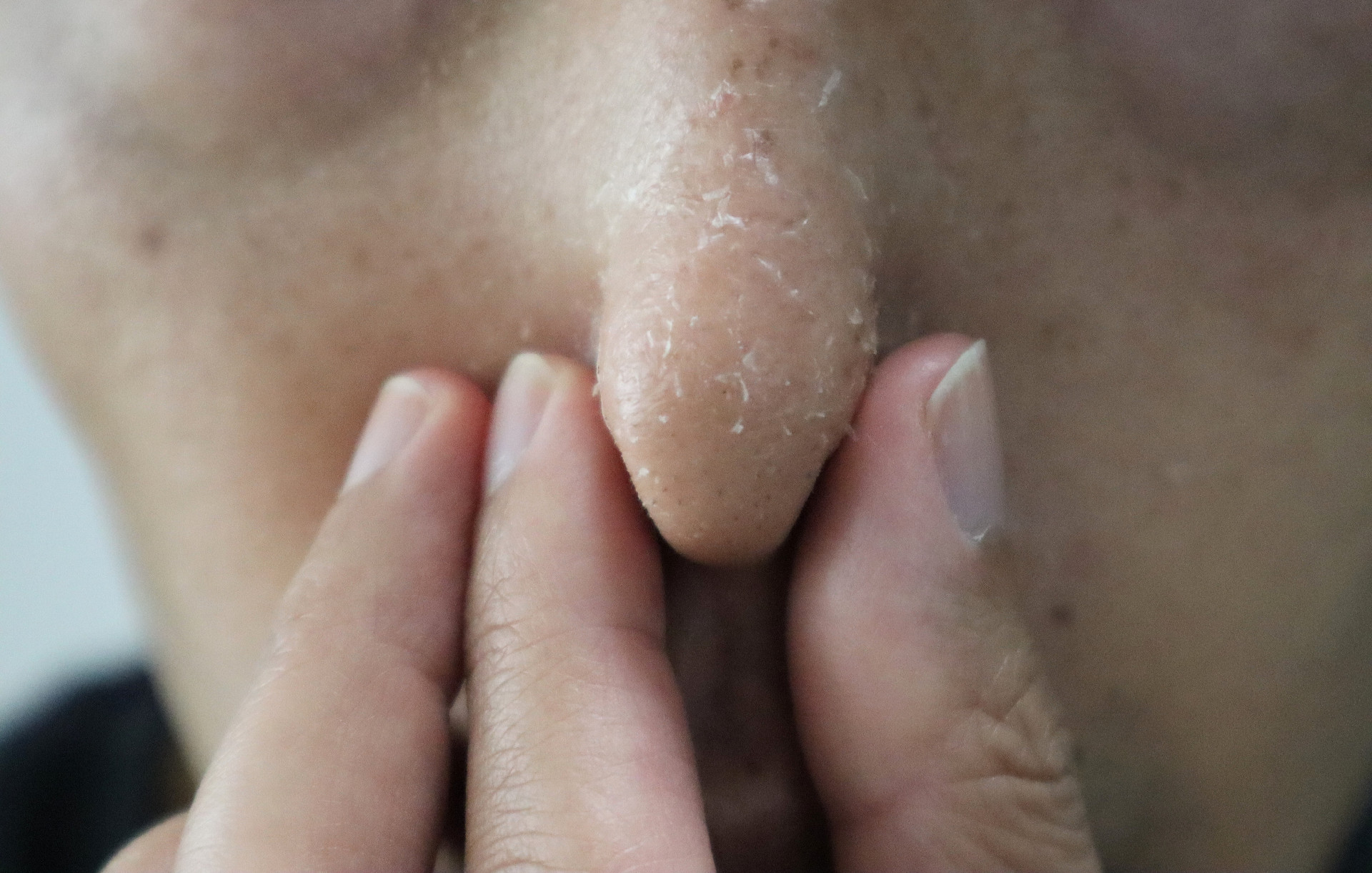
You catch your reflection in bright daylight and something feels off. Your skin is not exactly breaking out, but it looks bumpy, a little dull, and uneven under makeup. If you have been asking, why is my skin congested, the answer is usually not just one thing. Congested skin tends to build slowly, often from a mix of excess oil, dead skin cells, trapped debris, and products or habits that are not quite right for your skin.
Congestion is one of the most common concerns we see in skin that otherwise seems healthy. It can show up as rough texture, tiny flesh-colored bumps, blackheads, clogged pores around the nose and chin, and skin that never quite looks clear no matter how much you cleanse. The good news is that congestion can improve beautifully with the right care. The key is understanding what is causing it in the first place.
What congested skin actually means
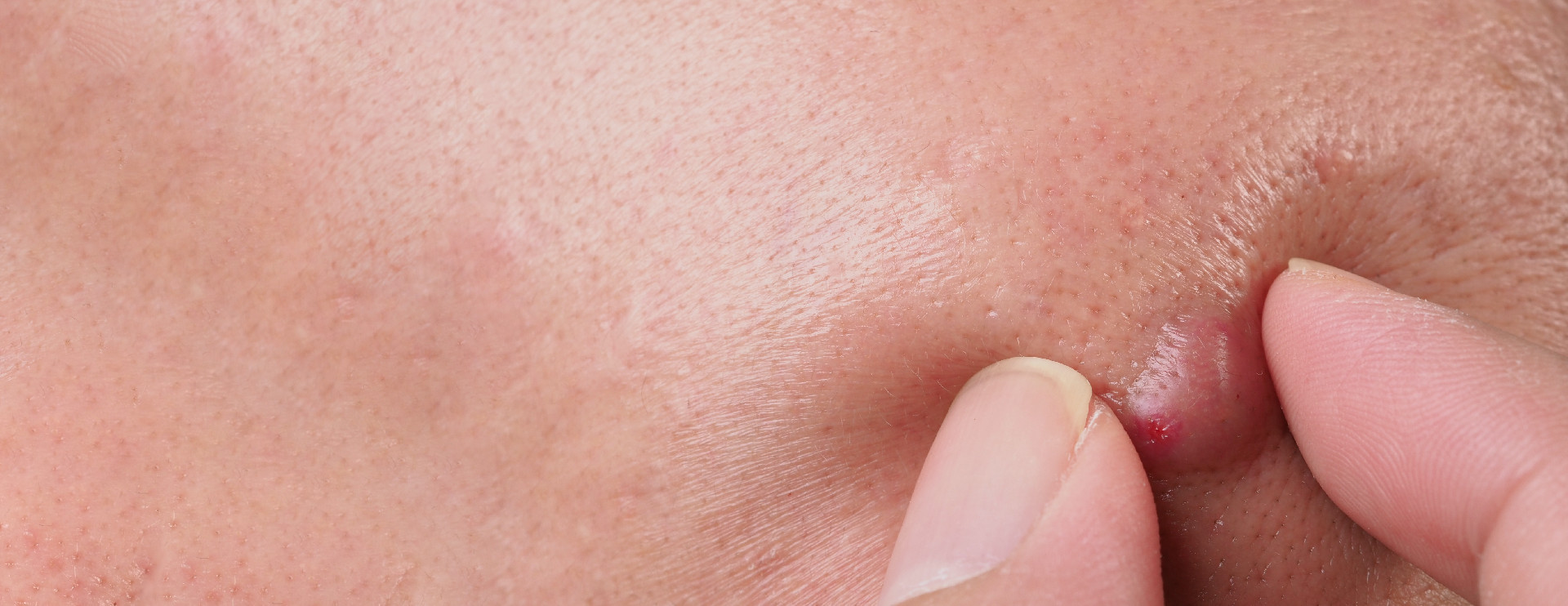
Congested skin is a condition where pores become blocked with a combination of sebum, dead skin cells, sweat, sunscreen, makeup, and environmental buildup. Unlike inflamed acne, congestion often looks quieter at first. You may notice your skin feels gritty, makeup sits unevenly, or your complexion appears tired even when you are following a routine.
This is why congestion can be frustrating. It does not always look dramatic enough to treat like acne, but it still affects clarity, smoothness, and glow. In some cases, congestion can also lead to breakouts if the blockage stays in the pore long enough.
Why is my skin congested even though I wash my face?
Cleansing helps, but congested skin is not always a sign of poor hygiene. In fact, many women with congestion are cleansing diligently. The issue is often that the skin is producing oil, shedding dead cells, and interacting with products in a way that simple washing cannot fully manage.
If your cleanser is too gentle, residue may be left behind. If it is too harsh, your skin barrier may become stressed, which can trigger more oil production and irritation. Double cleansing can help when you wear sunscreen or long-wear makeup, but over-cleansing can leave skin tight and reactive. This is where balance matters.
The most common causes of skin congestion
One of the biggest causes is excess sebum. Oily and combination skin types are naturally more prone to clogged pores because there is more oil available to mix with dead skin cells. Hormonal fluctuations can make this worse, especially around the chin and jawline.
Another common cause is slow skin cell turnover. When dead cells are not shedding efficiently, they can sit on the surface and inside the pore opening. This often happens with stress, dehydration, age, or routines that skip proper exfoliation.
Heavy or unsuitable products are another major contributor. Rich creams, thick balms, certain makeup formulas, and even some sunscreens can feel nourishing but may be too occlusive for skin that clogs easily. That does not mean these products are bad. It simply means they may not suit your current skin condition.
Heat, humidity, and sweat can also play a role. In a climate like Singapore, skin is often exposed to conditions that increase oil production and make residue cling more easily to the skin. If sweat, sunscreen, and pollution sit on the skin for hours, pores can become overwhelmed.
Lifestyle habits matter too. Touching your face, sleeping in makeup, changing pillowcases too infrequently, and using hair products that transfer onto the forehead can all contribute. Sometimes the source of congestion is surprisingly simple.
Why is my skin congested when it also feels dry?
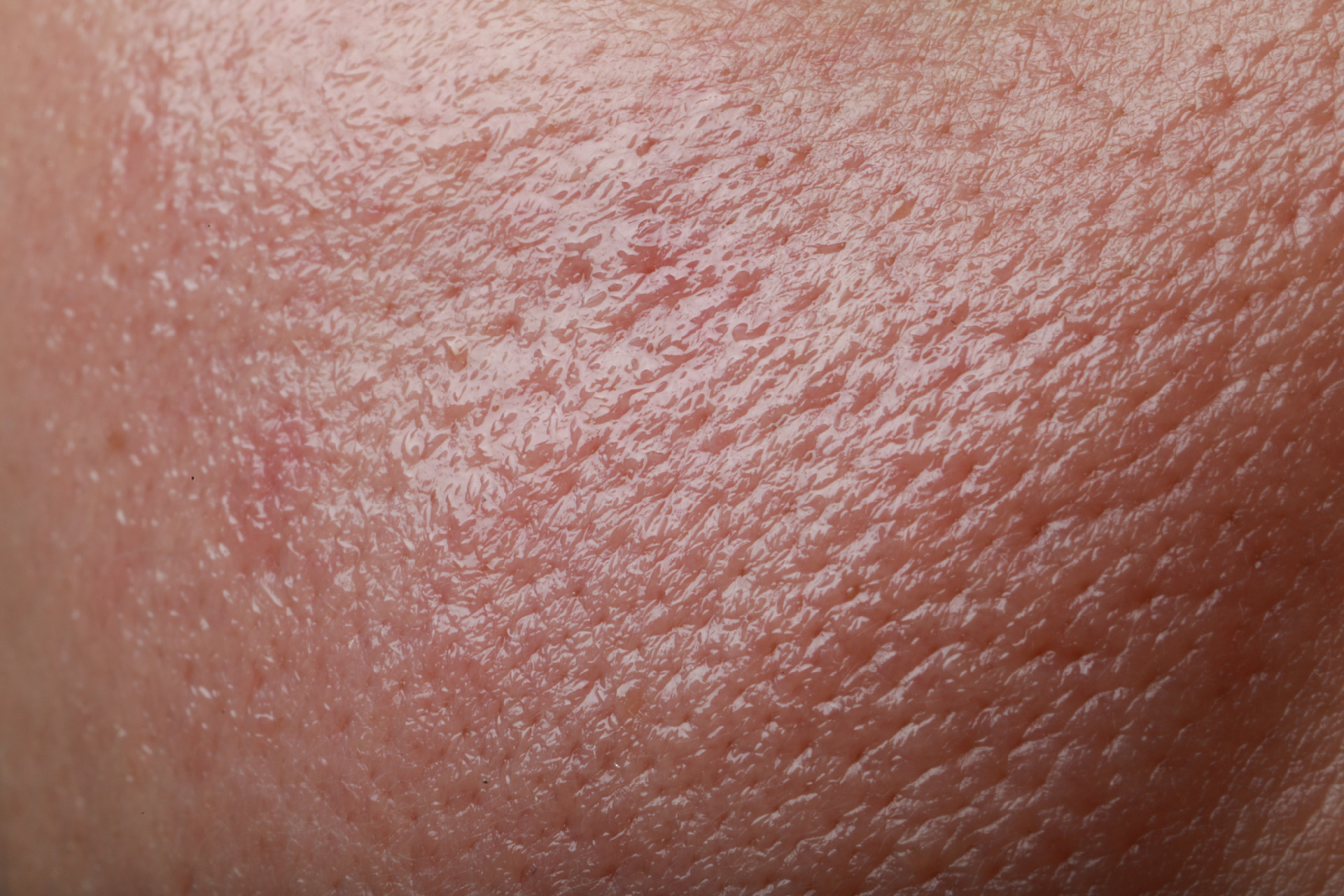
This is where many people get confused. Congested skin is not always oily in the way people expect. You can absolutely have skin that feels dry, tight, or flaky and still have clogged pores.
This usually points to a compromised skin barrier. When skin is dehydrated or over-exfoliated, dead skin cells may not shed normally. Instead of leaving the skin smoothly, they collect on the surface and trap oil underneath. The result is a complexion that feels dry on top but bumpy underneath.
In this situation, stronger acids and scrubs are usually not the answer. What your skin often needs is a more thoughtful approach that supports hydration while gently clearing pore buildup.
Signs your routine may be making congestion worse
If your skin never looks settled, your routine may be too aggressive, too heavy, or simply mismatched. Scrubbing daily, layering too many active ingredients, or switching products constantly can all create a cycle of irritation and blockage.
Watch for these patterns: your skin feels squeaky after cleansing, your face gets oily quickly after being stripped, your moisturizer sits on top of the skin instead of absorbing well, or tiny bumps keep appearing in the same areas. These are clues that your skin is not functioning as smoothly as it could.
There is also a difference between purging and congestion. Purging happens when a new active speeds up cell turnover and brings underlying clogs to the surface. It usually occurs in areas where you normally break out and settles with time. Congestion from an unsuitable product tends to feel more persistent and widespread.
How to clear congested skin without making it angry
Start with a cleanser that removes sunscreen, makeup, and oil effectively without leaving the skin tight. If you wear makeup or water-resistant sunscreen, a first cleanse followed by a gentle second cleanse can make a meaningful difference.
Then look at exfoliation. Chemical exfoliants, especially salicylic acid, can be helpful because they work inside the pore. Lactic acid or mandelic acid may suit skin that is more sensitive or dehydrated. The goal is not daily peeling. It is consistent, measured exfoliation that keeps pores clearer over time.
Hydration is just as important as exfoliation. Lightweight, non-greasy hydration can help normalize the skin barrier so it sheds dead cells more efficiently. This is often the missing step for women who try to dry out their congestion and end up with skin that looks even rougher.
Be selective with moisturizers, primers, and base makeup. If your skin clogs easily, texture matters. Sometimes switching from rich, creamy formulas to lighter gel-cream or lotion textures helps significantly.
And please resist the temptation to squeeze. At-home extraction without proper softening and technique can push debris deeper, cause inflammation, and leave marks that last longer than the clog itself.
When professional treatment makes sense
If your skin has recurring congestion that does not respond to home care, a professional facial can make a real difference. This is especially true when pores are deeply impacted, the skin is dehydrated, or you are dealing with both congestion and sensitivity.
A well-designed deep pore cleansing treatment does more than just extract blackheads. It helps soften buildup, clear blockages safely, calm the skin, and support recovery so the complexion feels cleaner and smoother without unnecessary trauma. For many clients, this is also where they finally understand which parts of their home routine are helping and which are quietly contributing to the problem.
At Amber Beila, personalized facials are designed around the skin in front of us, not a one-size-fits-all assumption. That matters because congested skin can come from excess oil, dehydration, product overload, stress, or a combination of several triggers.
How long does congested skin take to improve?
It depends on how severe the congestion is and what is driving it. Mild congestion can start to look better within a few weeks once the routine is simplified and pore-blocking triggers are removed. More stubborn congestion, especially if it has built up over months, often takes longer and may improve best with a combination of home care and regular professional treatments.
Patience is important here. Skin rarely becomes congested overnight, and it usually does not become clear overnight either. Gentle consistency almost always works better than trying to force fast results.
A few final things to keep in mind
If you are still wondering, why is my skin congested, think less about blame and more about patterns. Your skin is giving you information. It may be asking for better cleansing, lighter products, more hydration, less friction, or a treatment plan that is actually tailored to how your skin behaves.
When congestion is handled with care, skin can look refined, calm, and luminous again. Sometimes the biggest change comes not from adding more, but from choosing what truly suits your skin and giving it the right kind of support.