
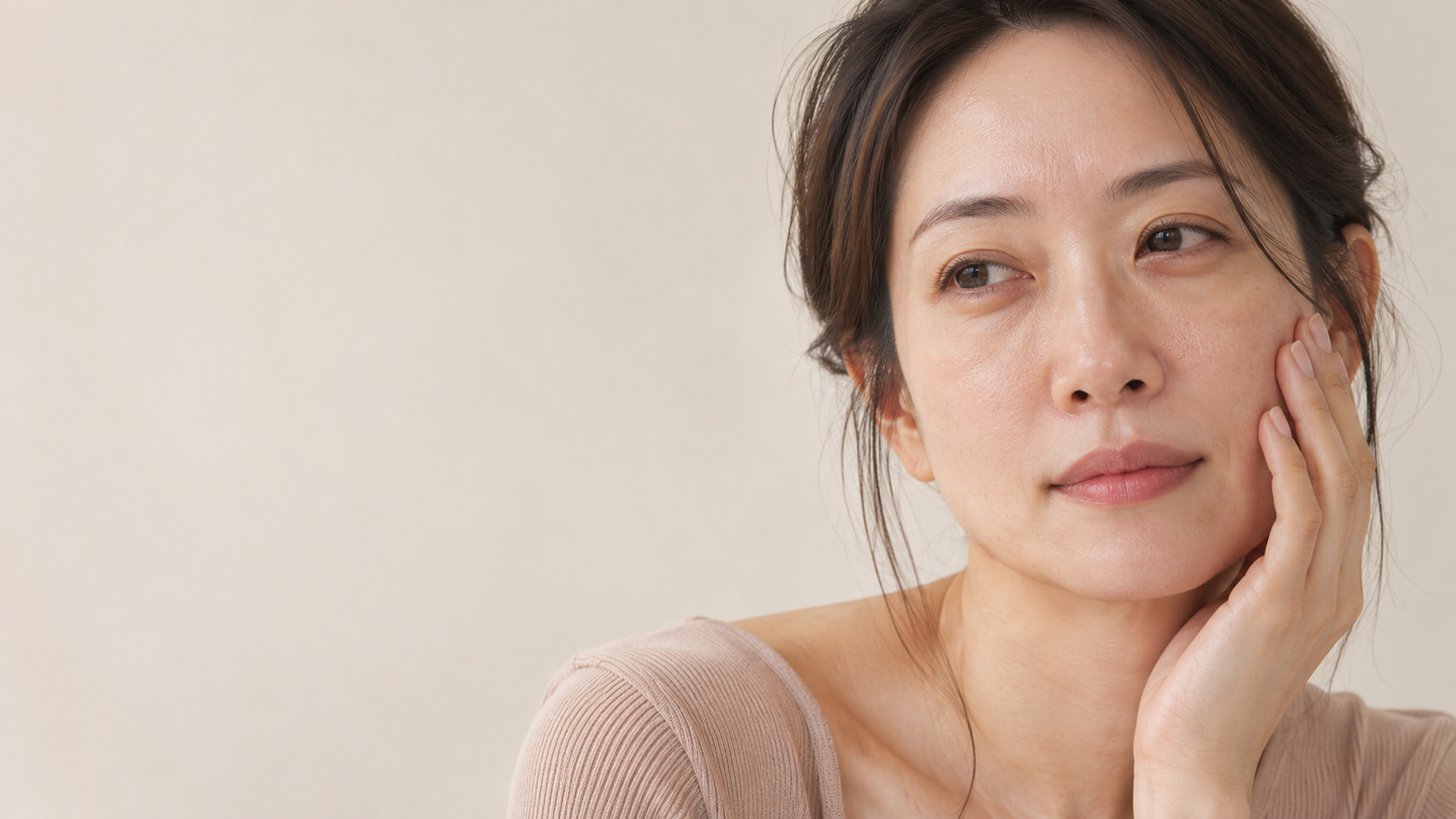
Skin usually looks tired because of dehydration, dead skin cell buildup, congested pores, a weakened skin barrier, poor sleep, stress, sun exposure, or slower skin renewal with age. Often, several of these factors overlap.
Tired-looking skin is not a permanent skin type. Once you understand what is causing your complexion to appear dull or fatigued, you can choose skincare and treatments that help restore a fresher, clearer, and healthier-looking appearance.
Why Does Skin Look Tired Even When You Feel Fine?
Skin can look tired even when you feel perfectly well-rested.
One reason is how light reflects off the skin's surface. Smooth, hydrated skin reflects light more evenly, creating a naturally fresh and healthy-looking complexion. When dead skin cells accumulate, pores become congested, or the skin barrier loses moisture, the surface becomes less even.
The result may be dullness, rough texture, more noticeable pores, and makeup that no longer sits as smoothly as it once did.
In Singapore, daily exposure to air-conditioning, humid weather, sun exposure, and long working hours can all contribute to changes in skin condition.
Sometimes, your skin starts showing signs of fatigue before you feel physically tired.
The 8 Common Causes of Tired-Looking Skin at a Glance
1. Dehydration Makes Skin Look Dull and Less Supple
Dehydrated skin lacks water, not necessarily oil. This means even oily or acne-prone skin can experience dehydration.
In Singapore's humid climate, it is easy to assume that skin has enough moisture. However, long hours in air-conditioned environments, harsh cleansing products, frequent exfoliation, and skipping moisturiser can all contribute to moisture loss.
When skin becomes dehydrated, fine lines may appear more noticeable, cheeks may look less supple, and the delicate under-eye area can appear more creased.
You may also notice that your skin feels tight beneath an oily or shiny surface.
How to Improve Dehydrated Skin
Use a gentle cleanser that does not leave your skin feeling stripped.
Apply a hydrating serum containing ingredients such as hyaluronic acid or glycerin.
Use a moisturiser that helps maintain the skin's moisture balance.
Avoid washing your face excessively.
Maintain a consistent skincare routine.
Hydration-focused facial treatments may also help replenish surface moisture and improve the appearance of dry, dehydrated skin.
The key is consistency. Applying multiple skincare products at once does not necessarily produce better results.
2. A Weakened Skin Barrier Can Make Skin Look Unhealthy
Your skin barrier acts as a protective layer that helps retain moisture and shield the skin against external irritants.
When this barrier becomes compromised, skin can lose moisture more easily and become dry, sensitive, or irritated.
Common causes of skin barrier disruption include excessive cleansing, frequent use of facial scrubs, strong exfoliating acids, and unsuitable skincare products.
You may notice redness, rough patches, tightness, or a stinging sensation when applying products that previously felt comfortable.
These changes can also make your complexion appear dull and uneven.
How to Support a Weakened Skin Barrier
Reduce the use of strong exfoliating products.
Switch to a mild, gentle facial cleanser.
Use a moisturiser containing barrier-supporting ingredients such as ceramides.
Avoid introducing too many new skincare products simultaneously.
Apply sunscreen daily to protect against UV exposure.
If your skin is already irritated, focus on restoring comfort before introducing intensive exfoliation or active skincare ingredients.
Healthy-looking skin begins with a well-supported skin barrier.
3. Dead Skin Cell Buildup Causes a Dull Complexion
Your skin naturally sheds old cells through a process known as skin renewal.
However, this process can become less efficient with age, allowing dead skin cells to accumulate on the surface.
When these cells build up, the complexion may appear dull, rough, or uneven. Makeup may also look patchy, particularly around the nose, cheeks, and forehead.
While exfoliation can help remove surface buildup, excessive exfoliation may damage the skin barrier and lead to further irritation.
How to Improve Dead Skin Cell Buildup
Introduce gentle exfoliation when suitable for your skin.
Avoid using harsh facial scrubs too frequently.
Keep your skin adequately moisturised.
Consider professional facial treatments that incorporate suitable exfoliation techniques.
When skin feels congested as well as dull, professional deep cleansing may help remove buildup and improve skin texture.
The treatment should always be adjusted according to your skin condition and sensitivity.
For more information, explore our guide to the best facial treatments for dull skin.
4. Congested Pores Make Skin Look Rough and Uneven
Clogged pores do not always result in noticeable acne.
Sometimes, they appear as small bumps beneath the skin, blackheads around the nose, or uneven texture across the forehead and chin.
Excess sebum, dead skin cells, and residue from skincare products can contribute to pore congestion.
When pores become clogged, the skin's surface may appear less smooth, making the overall complexion look dull or tired.
This is particularly common among individuals who regularly wear makeup or spend long hours outdoors in Singapore's humid climate.
How to Improve Congested Pores
Remove makeup and sunscreen thoroughly at the end of the day.
Use a gentle cleanser suitable for your skin type.
Avoid squeezing blackheads or attempting aggressive extractions at home.
Choose non-comedogenic skincare products where appropriate.
Consider professional pore cleansing when congestion persists.
The goal is not to make skin feel squeaky clean. Over-cleansing can strip away moisture and worsen irritation.
For those experiencing blackheads, clogged pores, or uneven texture, Amber Beila's Deep Pore Cleansing Facial focuses on removing pore buildup through cleansing, exfoliation, careful extractions, and soothing aftercare.
Extractions are performed carefully, with your skin's condition and comfort in mind.
5. Poor Sleep Can Affect Your Skin's Appearance
Sleep plays an important role in supporting the body's normal recovery processes.
When you do not get enough quality sleep, your complexion may appear less fresh, your face may become puffier, and dark circles can look more noticeable.
Disrupted sleep may also affect the skin's moisture balance and barrier function.
However, dark circles are not always caused by insufficient sleep.
Genetics, natural facial structure, pigmentation, allergies, and thin under-eye skin can all influence how dark the area appears.
How to Improve Tired-Looking Skin Caused by Poor Sleep
Maintain a consistent sleeping schedule.
Aim for sufficient, good-quality sleep.
Remove makeup and cleanse your face before bedtime.
Apply moisturiser as part of your evening routine.
Use a cool compress to temporarily ease morning puffiness.
If dark circles remain noticeable even after adequate rest, a more individualised approach may be necessary.
6. Stress and Lifestyle Habits Can Affect Skin Health
Stress can influence your skin in several ways.
During stressful periods, changes in the body's stress response may contribute to increased sensitivity, inflammation, or breakouts.
Long working hours, irregular sleep schedules, and inconsistent skincare routines can also affect how your complexion looks and feels.
For individuals who spend most of the day in air-conditioned offices, the combination of indoor environments and daily stress may leave skin feeling dry or uncomfortable.
Screen time itself is not necessarily the main cause of tired-looking skin. However, habits associated with prolonged screen use, such as late nights, insufficient rest, and touching the face frequently, may contribute.
How to Support Stressed Skin
Maintain a simple, consistent skincare routine.
Avoid introducing multiple strong active ingredients at once.
Apply moisturiser regularly.
Prioritise sufficient rest.
Consider gentle facial massage while applying skincare products.
A short facial massage may feel soothing and temporarily improve the appearance of morning puffiness.
If your skin becomes sensitive or irritated, focus on calming and barrier-supporting skincare before considering stronger treatments.
7. Sun Exposure Causes Uneven Skin Tone and Pigmentation
Sun exposure is one of the major contributors to premature skin ageing and uneven skin tone.
Over time, ultraviolet (UV) radiation can contribute to pigmentation, fine lines, and changes in skin texture.
These effects may cause your complexion to appear dull, patchy, or less even.
In Singapore, UV exposure occurs throughout the year, including during everyday activities such as walking to lunch, commuting, or spending time outdoors.
Even short periods of repeated exposure can contribute to cumulative sun damage.
How to Protect Your Skin From Sun Damage
Apply broad-spectrum sunscreen with SPF 30 or higher daily.
Reapply approximately every two hours when spending extended periods outdoors, especially after sweating.
Seek shade during periods of intense sunlight.
Use protective accessories such as hats and umbrellas.
Maintain a skincare routine that supports hydration and skin barrier health.
For those experiencing uneven skin tone or pigmentation concerns, suitable brightening treatments may help improve the skin's appearance.
Explore our guide to choosing the best facial for pigmentation.
Consistent sun protection remains important for maintaining the results of skincare and professional treatments.
8. Slower Skin Renewal and Loss of Firmness With Age
As we age, the skin undergoes natural changes.
Collagen and elastin levels gradually decline, while the skin's renewal process becomes slower.
These changes can affect firmness, elasticity, and texture, making the complexion appear less supple and more tired.
Fine lines may become increasingly visible, and the skin may not appear as smooth as it once did.
Unlike dehydration or surface buildup, changes associated with ageing involve both the skin's surface and its underlying structure.
How to Improve the Appearance of Ageing Skin
Maintain consistent hydration.
Apply sunscreen daily to help prevent premature skin ageing.
Choose skincare products suited to your skin's changing needs.
Consider suitable anti-ageing ingredients when appropriate.
Explore targeted facial treatments for concerns involving firmness, texture, and fine lines.
At Amber Beila, treatments such as Youth Restorative Facial, Growth Factor Treatment, PDRN Hydro Lifting Facial, Diamond V Lift Facial, and Signature Derma Facelift may be considered depending on individual skin concerns.
Each treatment serves a different purpose, so a consultation can help determine which approach is suitable for your current skin condition.
Professional treatments may help improve certain visible signs of ageing, although results vary according to the treatment and individual skin condition.
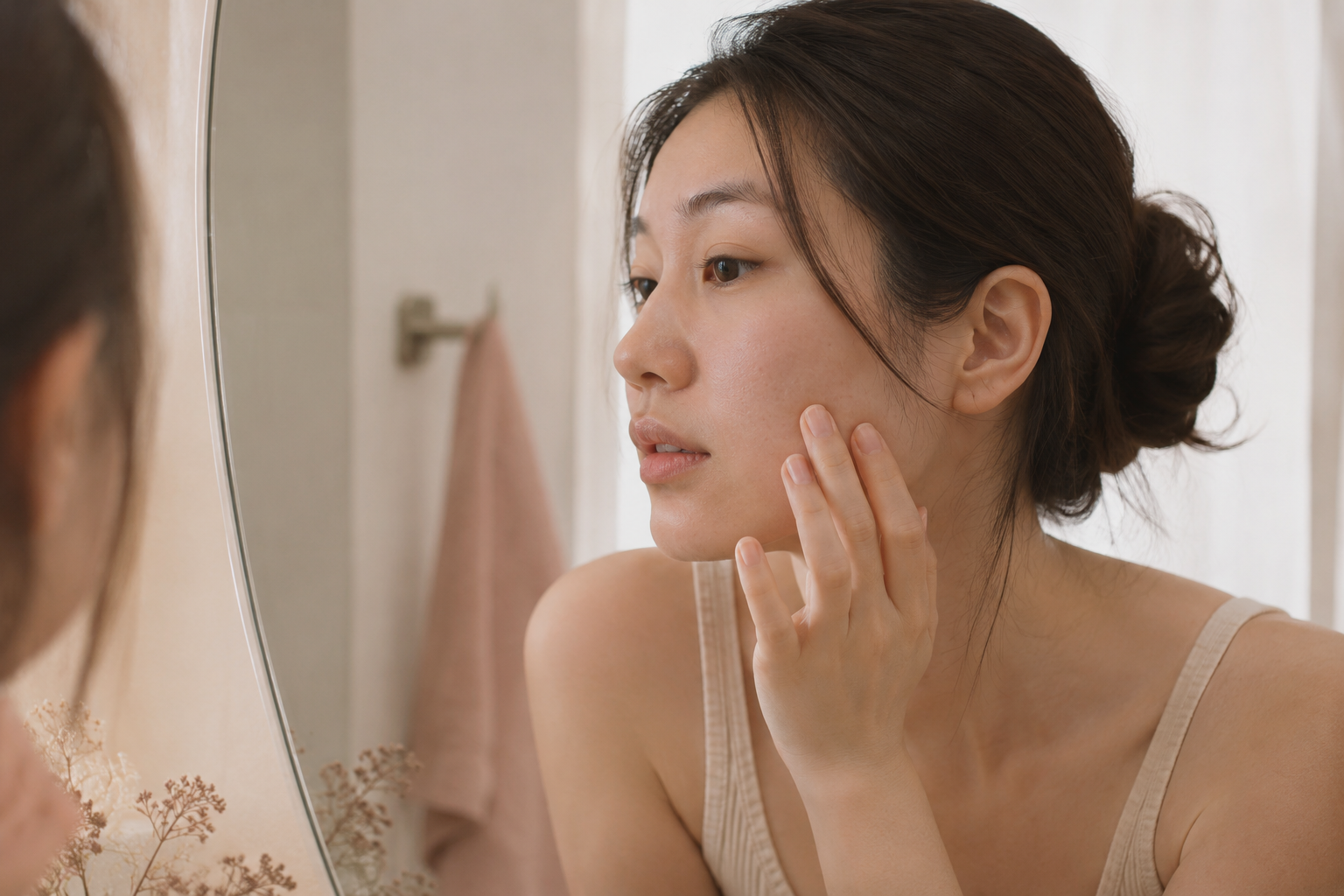
How to Make Tired-Looking Skin Look More Rested
Improving tired-looking skin does not require an elaborate skincare routine.
In many cases, simplifying your routine and addressing the underlying concern can be more beneficial than adding multiple new products.
Start with four essential steps:
Gentle cleansing: Remove daily buildup without stripping the skin.
Hydration: Use appropriate hydrating products to maintain moisture.
Moisturising: Support the skin barrier and reduce moisture loss.
Sun protection: Apply broad-spectrum sunscreen daily.
Once you have established a consistent routine, additional skincare or treatments can be selected according to your main concerns.
For an immediate fresher appearance, lightweight makeup and a hydrating base can help minimise the look of dryness and uneven texture.
However, if your skin remains persistently rough, congested, or dehydrated, addressing the underlying concern through skincare and suitable professional treatments may provide more meaningful improvements.
When Can a Facial Help Tired-Looking Skin?
A customised facial can help when your skin needs more than a simple surface refresh.
Different causes of tired-looking skin require different approaches.
For example, clogged pores may benefit from deep cleansing and careful extractions, while dehydrated skin may respond better to hydration-focused treatments.
Similarly, concerns involving pigmentation, uneven skin texture, or visible signs of ageing may require more targeted care.
A professional consultation allows a beauty therapist to assess factors such as:
Your skin type and current condition
Hydration levels
Pore congestion
Skin sensitivity
Pigmentation and uneven texture
Visible signs of ageing
Your existing skincare routine and lifestyle
From there, suitable facial treatments can be recommended.
Not every treatment is appropriate for every skin condition.
Intensive exfoliation or extractions may not be suitable when skin is irritated, actively inflamed, or recovering from recent treatments.
At Amber Beila, our approach focuses on understanding your skin's individual needs and recommending suitable treatments with personalised care and honest advice.
When Should You Seek Medical Advice?
Most cases of dull or tired-looking skin are associated with common skincare and lifestyle factors.
However, sudden or significant changes in skin appearance may require medical attention.
Consult a qualified medical professional if you experience:
Persistent itching or unexplained rashes
Sudden or severe swelling
Painful or worsening acne
Unusual skin discoloration
Persistent irritation that does not improve
Other unexpected changes accompanied by physical symptoms
Professional facial treatments can support cosmetic skin concerns but should not replace medical assessment when symptoms suggest an underlying health condition.
Frequently Asked Questions About Tired-Looking Skin
Why Does My Skin Look Tired Even After Sleeping Well?
Sleep is only one factor affecting skin appearance. Dehydration, dead skin cell buildup, clogged pores, a weakened skin barrier, and sun exposure can all contribute to dullness even when you get enough rest.
Can Oily Skin Look Tired and Dehydrated?
Yes. Dehydration refers to a lack of water, not oil. Oily skin can still become dehydrated, sometimes causing tightness, rough texture, and more noticeable fine lines beneath a shiny surface.
How Can I Make My Face Look Less Tired Quickly?
Start by hydrating your skin, applying moisturiser, and using lightweight makeup if desired. A cool compress may temporarily reduce puffiness. For longer-lasting improvements, identify and address the underlying cause of your tired-looking complexion.
Does Air-Conditioning Make Skin Look Tired?
It can. Spending long hours in air-conditioned environments may contribute to moisture loss, particularly when indoor air is dry. This can leave skin feeling tight and make fine lines appear more noticeable.
Should I Exfoliate More if My Skin Looks Dull?
Not necessarily. While gentle exfoliation can help remove dead skin cells, excessive exfoliation may damage the skin barrier and worsen dryness, redness, or sensitivity. The appropriate frequency depends on your skin type and tolerance.
Can Facial Treatments Help Improve Tired-Looking Skin?
Facial treatments may help improve concerns such as clogged pores, dehydration, surface buildup, and uneven texture. The most suitable treatment depends on your skin condition and the factors contributing to its tired appearance.
How Long Does It Take for Tired-Looking Skin to Improve?
The timeframe depends on the underlying cause. Dehydrated skin may appear more comfortable and supple within days of consistent moisturising, while pigmentation, uneven texture, and visible signs of ageing generally require more time and ongoing care.
When Should I See a Skin Professional?
If your complexion remains dull despite a consistent skincare routine, or you are concerned about clogged pores, dehydration, pigmentation, or loss of firmness, a facial consultation can help identify suitable treatment options. Sudden or severe skin changes should be assessed by a medical professional.
Give Your Skin the Care It Needs
Tired-looking skin can have several causes, from dehydration and clogged pores to stress, sun exposure, and natural skin ageing.
Understanding what your skin needs is the first step towards achieving a clearer, smoother, and healthier-looking complexion.
At Amber Beila, our experienced beauty therapists provide personalised facial treatments based on your skin condition and individual concerns. Whether your skin needs deep cleansing, hydration, or targeted care, we are here to help you find a suitable approach.
Get in touch with your favourite Amber Beila team and arrange a facial consultation.
The Heeren | Delfi Orchard | One Raffles Place | Beauty World
This guide provides general skincare information. Persistent irritation, rashes or other skin symptoms may require medical assessment.