

What Causes Back Acne in Males?
A man can have a perfectly clear face and still struggle with stubborn breakouts across his back. That is often what makes the issue so frustrating. If you have been wondering what causes back acne in males, the answer is rarely just one thing. In most cases, it is a mix of oil production, sweat, friction, hormones, and daily habits that quietly create the perfect setting for clogged pores.
Back acne, often called bacne, develops when pores become blocked with oil, dead skin cells, and bacteria. The back has a high concentration of sebaceous glands, which means it naturally produces more oil than some other parts of the body. Add heat, workouts, tight clothing, or delayed showering, and the skin can become congested quickly.
What causes back acne in males most often?

The short answer is excess oil and clogged pores, but that does not tell the full story. Male skin tends to be thicker and oilier because of higher androgen activity. These hormones stimulate sebaceous glands, and that extra oil can combine with dead skin cells inside the pore. Once the pore is blocked, inflammation and acne-causing bacteria can follow.
This is why back acne is so common during the teenage years, but it can also continue well into adulthood. For some men, breakouts flare during periods of stress, intense exercise, hot weather, or changes in skincare and body care products. For others, the culprit is more mechanical, such as a sweaty shirt rubbing against the skin all day.
There is also a practical issue with the back itself. It is a hard area to cleanse thoroughly and consistently. Residue from shampoo, conditioner, styling products, sunscreen, and body lotion can linger on the skin if rinsing is incomplete. That buildup may not cause acne on its own, but in acne-prone skin, it can make congestion worse.
Hormones, sweat, and friction all play a role
Hormones are one of the biggest reasons back acne appears in men. Testosterone and related androgens can increase sebum production, especially during puberty, but also during adulthood. Some men are simply more sensitive to these hormonal effects than others, which is why two people with similar routines can have very different skin.
Sweat is often blamed as the direct cause, but sweat alone is not the enemy. The issue is what happens when sweat sits on the skin and mixes with oil, bacteria, and dead cells. If that sweaty skin is trapped under a gym shirt, backpack straps, sports gear, or fitted office clothing, irritation increases. This repeated rubbing can trigger what dermatologists often call acne mechanica - breakouts worsened by heat, pressure, and friction.
That is why athletes, commuters, and anyone wearing tight or non-breathable fabrics may notice more breakouts across the upper back and shoulders. It is not always about poor hygiene. Sometimes the skin is simply under constant stress.
The products men use can quietly worsen breakouts
One of the more overlooked answers to what causes back acne in males is product residue. Hair products are a common example. Conditioner, leave-in treatment, pomade, and styling cream can transfer onto the back during showering or throughout the day, especially if the hair is longer. If those formulas are rich, occlusive, or heavily fragranced, they may contribute to clogged pores.
Body wash can also be part of the problem. Some cleansing products leave a film on the skin, while others are so harsh that they strip the skin barrier and trigger irritation. When skin becomes irritated, inflammation can rise, and acne may look angrier or more widespread.
Even laundry products can matter. Heavily scented detergent and fabric softener may irritate sensitive skin, particularly when combined with sweat and friction. This does not mean every breakout is caused by detergent, but if acne is paired with itchiness or rash-like bumps, irritation should be considered.
Diet and stress can influence the skin too
Not every case of bacne is linked to diet, and it is best to be cautious about oversimplifying this. Still, some men notice their skin worsens when they regularly consume high-glycemic foods, excessive dairy, or certain protein supplements. Whey protein, in particular, is often discussed because it may influence insulin and hormone-related pathways in acne-prone individuals.
Stress also deserves attention. It does not create acne from nothing, but it can aggravate existing tendencies. Higher stress can influence inflammation, oil production, sleep quality, and daily habits. A person under pressure may skip showers after workouts, wear the same tight clothing longer, or pick at their skin more often. The result is a cycle that keeps breakouts active.
When back acne is not traditional acne
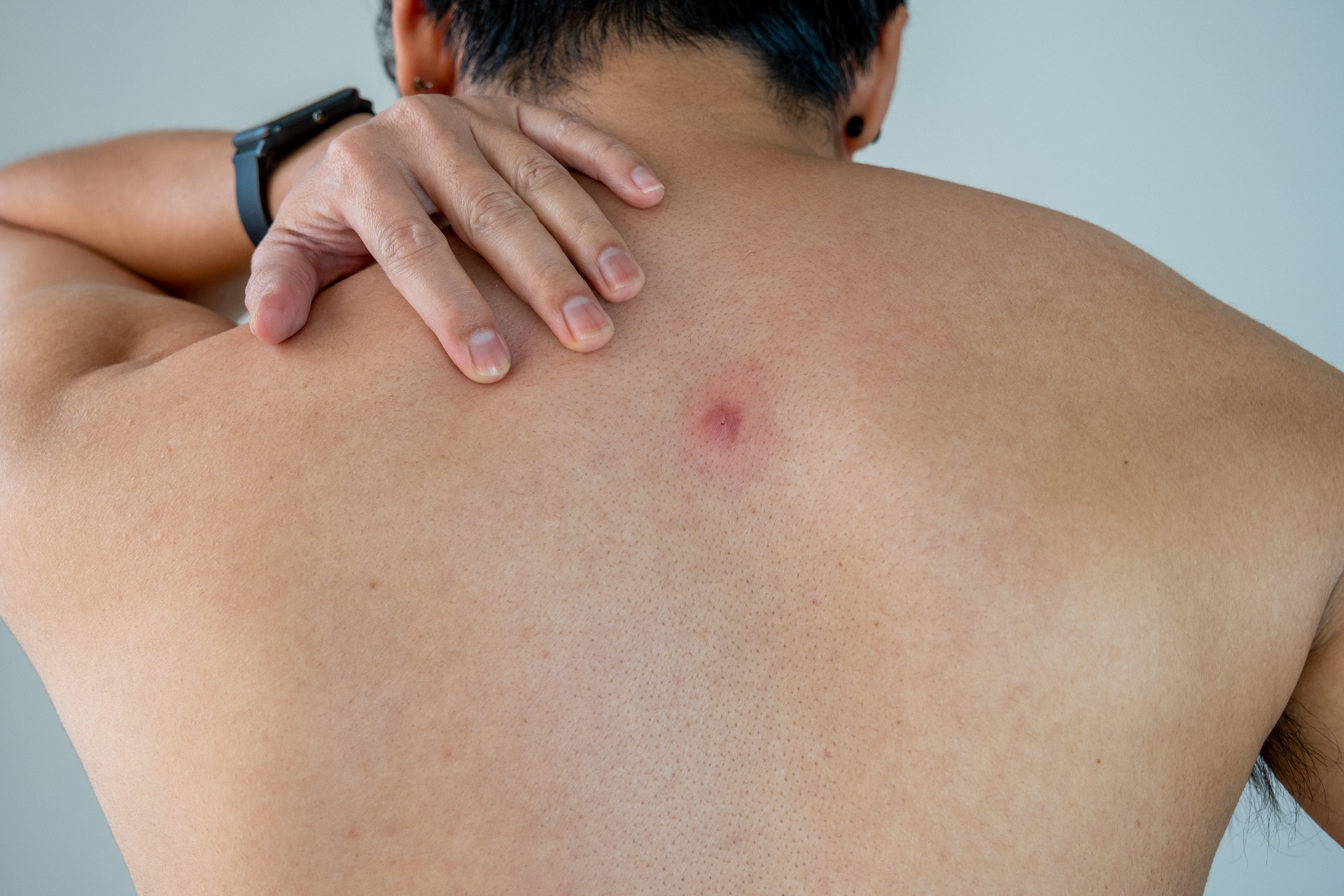
Sometimes bumps on the back are not acne in the classic sense. Folliculitis, which is inflammation of the hair follicles, can look very similar. It may be caused by bacteria, yeast, friction, or shaving. The bumps can be smaller, more uniform, and sometimes itchy rather than deeply inflamed.
This distinction matters because the right treatment may differ. Acne responds well to ingredients that reduce oil, unclog pores, and calm bacteria. Yeast-related folliculitis may need a different approach. If someone has tried standard acne products for weeks with no improvement, or the condition seems unusually itchy, painful, or widespread, a professional assessment is worth considering.
How to reduce back acne effectively
The best approach is usually consistent, not aggressive. Scrubbing the back with a rough brush or harsh exfoliant can make inflammation worse. Gentle cleansing after sweating is far more helpful than over-washing.
A body wash with salicylic acid can help keep pores clear, while benzoyl peroxide may reduce acne-causing bacteria and inflamed breakouts. These ingredients can be very effective, though they do require patience. Benzoyl peroxide can also bleach fabrics, so towels and clothing choices matter.
Showering soon after exercise helps, especially if you tend to stay in sweaty clothing. Breathable fabrics, looser fits, and changing out of gym wear quickly can also make a visible difference over time. If hair products are involved, rinsing conditioner thoroughly and washing the back after hair care can help reduce residue.
It is also wise to avoid heavy body creams and oily massage products on breakout-prone areas unless they are clearly labeled as non-comedogenic. If breakouts are deep, painful, or leaving marks, over-the-counter care may not be enough.
What causes back acne in males to become severe?
Severity often comes down to a few overlapping factors. Strong hormonal influence, family history, constant sweating, friction from sports or work gear, and delayed treatment can all push mild congestion into inflamed acne. Picking and squeezing can make the situation worse by driving inflammation deeper and increasing the risk of marks and scarring.
There is also the issue of access. Because the back is difficult to see and reach, many men treat it inconsistently. They may only notice it once it becomes extensive or painful. By then, dark marks, rough texture, and post-acne scarring may already be developing.
That is where professional care becomes especially valuable. Customized back acne treatments can help thoroughly cleanse congested skin, soften buildup, calm inflammation, and support clearer texture in a way that is difficult to replicate at home. At a service-focused skincare destination such as Amber Beila, this kind of treatment is approached with comfort, discretion, and visible results in mind.
When professional support makes the most sense
If back acne is mild and occasional, a thoughtful home routine may be enough. But if breakouts are recurring, painful, widespread, or leaving stains and scars, waiting too long usually makes treatment harder. Professional guidance can help identify whether the condition is true acne, folliculitis, product-related congestion, or a mix of causes.
A tailored plan may include deep cleansing, exfoliating treatments, extraction where appropriate, and calming care designed for the body rather than the face. This matters because back skin is different. It is thicker, often more congested, and frequently exposed to heat and friction.
There is no single answer to what causes back acne in males because skin is personal. Hormones may be the main trigger for one person, while sweat, gym habits, or product buildup are the bigger issue for another. The encouraging part is that once the pattern becomes clear, the skin usually responds well to a more targeted routine and the right professional support.
Clearer skin on the back is not about doing more. It is about doing what fits your skin, consistently, with enough care to let real improvement show.