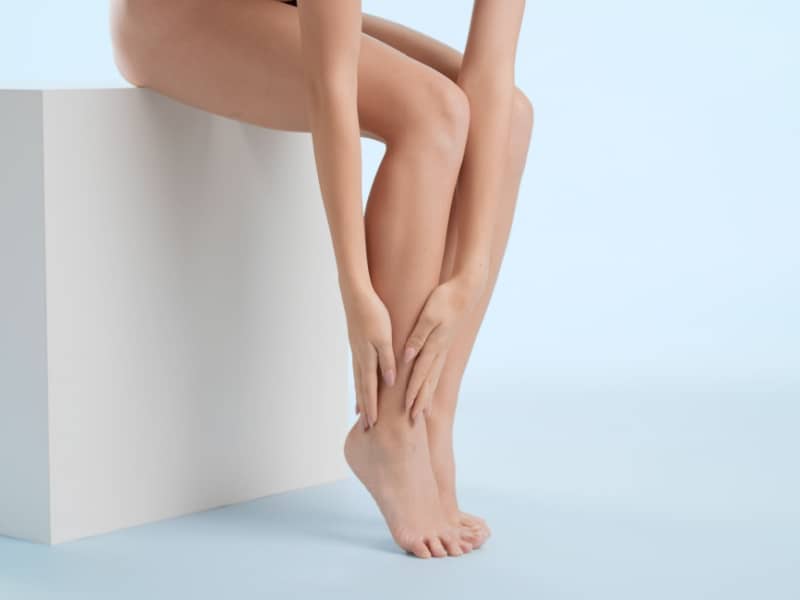
Tired of shaving every few days or booking regular waxing appointments? If you're looking for a way to reduce unwanted hair and spend less time on daily grooming, Super Hair Removal (SHR) may be worth exploring. SHR is a light-based hair reduction treatment designed to target hair follicles and gradually reduce hair regrowth over a series of sessions. From underarms and legs to Brazilian hair removal, SHR has become an option for people seeking longer-lasting smoothness. But how does it actually work? Is it painful? How many sessions will you need? Here's what you should know about SHR hair removal in Singapore before booking your first treatment. SHR stands for Super Hair Removal, a light-based treatment that uses repeated pulses of energy to heat hair follicles and gradually reduce hair growth. Unlike shaving, which removes hair at the skin's surface, SHR aims to affect the follicles responsible for producing new hair. The goal is long-term hair reduction rather than guaranteeing that every hair will be permanently removed. Because hair grows in cycles, several treatment sessions are generally required. Individual results depend on factors such as hair colour, hair thickness, skin type, hormonal influences and the equipment used. SHR technology uses repeated light pulses delivered across a treatment area. The light energy is absorbed by pigment in the hair and converted into heat. This heat can affect the hair follicle's ability to produce new hair. Many SHR systems use an in-motion technique, allowing the applicator to move continuously across the skin while delivering multiple pulses. Before treatment, your therapist assesses the area, skin condition and hair characteristics. This helps determine whether SHR is suitable and what precautions may be necessary. The treatment area is prepared according to the equipment's requirements. Hair may need to be shaved beforehand so that light energy can reach the follicle more effectively. A handheld applicator delivers repeated light pulses across the selected area. You may feel warmth, mild tingling or a snapping sensation, depending on your sensitivity and the treatment settings. Following treatment, some hairs may shed over the following days or weeks. As sessions progress, you may notice slower or patchier regrowth and a reduction in hair density. Results vary, and maintenance treatments may be required. Unlike shaving, SHR aims to reduce hair growth over time. With an appropriate treatment programme, some clients experience reduced hair density and less frequent regrowth. However, complete or permanent hair removal is not guaranteed. As hair growth decreases, you may find yourself needing to shave less often. This can make everyday grooming more convenient. SHR may be used on different areas of the face and body, subject to equipment suitability and professional assessment. Waxing removes hair by pulling it from the root. SHR works differently by using light energy to affect the follicle. For those seeking longer-term hair reduction, SHR may offer an alternative to repeated waxing appointments. Hair growth differs from one individual to another. A professional SHR consultation allows treatment planning to consider hair density, skin tone, previous treatments and individual goals. SHR hair reduction may be considered for several areas. Treatment area Common concern Underarms Frequent shaving and visible regrowth Arms Unwanted arm hair Legs Regular shaving or waxing Upper lip Unwanted facial hair Brazilian area Hair reduction around the intimate area Other selected areas Subject to professional assessment Not every area or hair type is suitable for every SHR device. Your therapist should assess the treatment area before proceeding. Both SHR and conventional IPL treatments use light energy for hair reduction. The main differences often relate to how light energy is delivered. Feature SHR Conventional IPL Technology Repeated light pulses, often using an in-motion technique Broad-spectrum light pulses Application Often involves continuous movement Often uses individual treatment flashes Hair reduction Gradual reduction over multiple sessions Gradual reduction over multiple sessions Comfort Depends on settings, skin and device Depends on settings, skin and device Number of sessions Multiple sessions usually required Multiple sessions usually required Results Vary by individual Vary by individual Is SHR better than IPL? Not necessarily for everyone. SHR is often marketed for its gradual heating method, but effectiveness and safety depend on the specific device, settings, skin type and hair characteristics. A professional consultation is more useful than choosing a treatment based on technology names alone. For a detailed comparison, explore our guide to SHR vs IPL hair removal. SHR is often described as a relatively comfortable hair reduction treatment, but it is not necessarily painless. Some people experience mild warmth or tingling during treatment. Others may feel greater sensitivity, particularly in areas with thicker hair or more delicate skin. Comfort depends on: The treatment area Hair density and thickness Skin sensitivity Equipment settings Cooling features of the device If you have concerns about discomfort, discuss them with your therapist before starting. Most people require multiple SHR sessions because hair follicles are not all in the same growth phase at once. Light-based hair reduction is generally most effective when suitable hairs are in their active growth phase. Since hair grows in cycles, one appointment cannot reliably target every follicle. A course of approximately 8–10 sessions may be discussed, although the number and spacing should be tailored to the individual and treatment area. Factors affecting treatment frequency include: Hair thickness and colour Treatment area Skin type Hormonal influences Response to previous sessions Your therapist can recommend an appropriate schedule and review your progress throughout the programme. SHR is intended to provide long-term hair reduction, but results are not identical for everyone. After a series of treatments, some individuals experience reduced hair density and slower regrowth. However, remaining follicles may continue producing hair, and hormonal changes can influence future growth. Occasional maintenance sessions may be needed. It's more accurate to describe SHR as a long-lasting hair reduction treatment than to promise permanently hair-free skin. Some people with sensitive skin may be suitable for SHR, but treatment should not proceed without an appropriate assessment. Skin sensitivity, recent tanning, medications and existing skin conditions can affect treatment suitability. Possible side effects include: Temporary redness Mild swelling around follicles Skin sensitivity Pigmentation changes Rare burns or blistering Certain hair colours and skin types may respond differently to light-based treatment. If you have an active skin condition or take medication that increases light sensitivity, seek professional advice before treatment. Following appropriate preparation and aftercare instructions helps reduce the risk of irritation. Avoid tanning and excessive sun exposure. Follow your therapist's shaving instructions. Inform your therapist about medications and skin conditions. Avoid waxing or plucking during the treatment programme unless specifically advised otherwise. Do not apply irritating skincare products immediately before treatment. Follow the aftercare instructions provided. Avoid excessive heat if your skin feels sensitive. Protect exposed treatment areas from UV exposure. Avoid scratching or rubbing irritated skin. Report persistent redness, blistering or unusual discomfort promptly. The exact instructions may vary depending on the device and treatment area. SHR aims to provide long-term hair reduction rather than guaranteed permanent removal of every hair. Some regrowth may occur, and maintenance sessions may be necessary. Some people notice changes in regrowth after several sessions. The rate of improvement depends on the treatment area, hair characteristics and individual response. SHR may be used for Brazilian hair reduction when the equipment and treatment protocol are appropriate for the area. A professional consultation should confirm suitability. Yes. SHR may be suitable for both men and women. Hair characteristics and treatment suitability matter more than gender. Shaving is generally permitted between sessions and is often preferred over waxing or plucking during a light-based hair reduction programme. Follow your therapist's specific instructions. Light-based hair removal relies partly on pigment absorption. Very light, grey or white hair may respond poorly, while finer hair may also be more difficult to treat. Suitability depends on the specific equipment, settings and skin characteristics. Darker or recently tanned skin can carry increased risks with certain light-based devices, so an individual assessment is essential. Amber Beila provides SHR hair removal services at selected Singapore outlets. Contact your preferred outlet to confirm treatment availability, suitable areas and current promotions. Looking for a longer-lasting approach to unwanted hair? At Amber Beila, our SHR hair removal treatments are planned around individual hair and skin characteristics. Whether you're interested in underarm, leg or Brazilian hair reduction, our therapists can explain the treatment process, expected results and recommended session schedule. Our focus is on personalised treatments and honest advice only. Interested in SHR Hair Removal? Get in touch with your favourite Amber Beila team to learn more about treatment options and current first-trial promotions. Explore SHR Hair Removal at Amber Beila The Heeren | Delfi Orchard | One Raffles Place | Beauty World Disclaimer: Hair reduction results, treatment suitability and possible side effects vary between individuals. A professional assessment is recommended before treatment.What Is SHR Hair Removal?
How Does SHR Hair Removal Work?
Step 1: Skin and Hair Assessment
Step 2: Treatment Preparation
Step 3: SHR Light Application
Step 4: Gradual Hair Reduction
What Are the Benefits of SHR Hair Removal?
1. Longer-Lasting Hair Reduction
2. Less Frequent Shaving
3. Multiple Treatment Areas
4. An Alternative to Waxing
5. Personalised Treatment
Which Areas Can Be Treated With SHR?
SHR vs IPL: What's the Difference?
Is SHR Hair Removal Painful?
How Many SHR Sessions Are Needed?
How Long Do SHR Hair Removal Results Last?
Is SHR Suitable for Sensitive Skin?
What Should You Do Before and After SHR Hair Removal?
Before Your SHR Appointment
After Your SHR Appointment
Frequently Asked Questions About SHR Hair Removal
1. Is SHR hair removal permanent?
2. How quickly will I see SHR results?
3. Can SHR be used for Brazilian hair removal?
4. Can men undergo SHR hair removal?
5. Can I shave between SHR sessions?
6. Does SHR work on fine or light-coloured hair?
7. Is SHR suitable for darker skin tones?
8. Where can I get SHR hair removal in Singapore?
Discover SHR Hair Removal at Amber Beila Singapore