
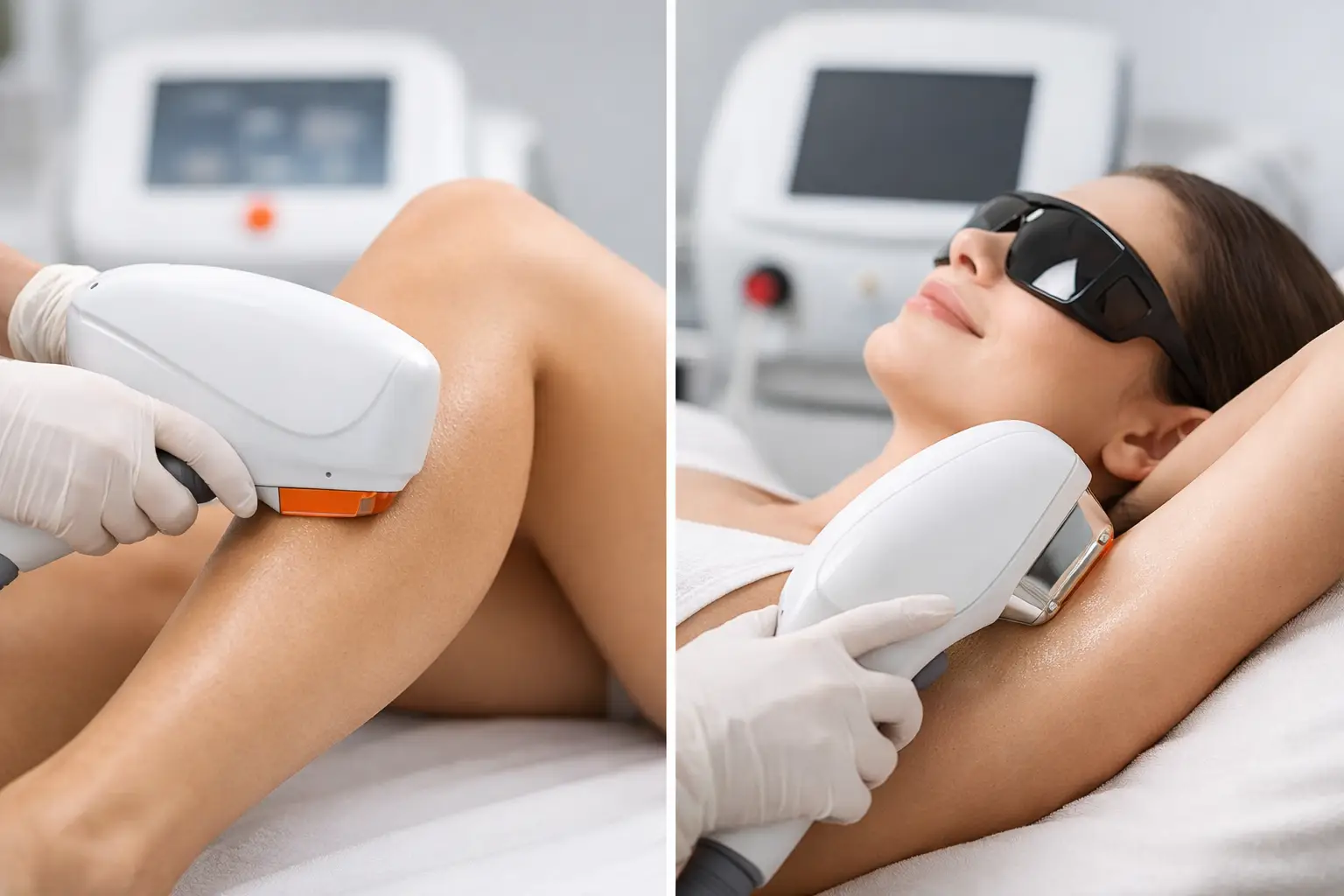
If you have ever compared laser-style hair removal options and felt unsure about SHR vs IPL, you are not alone. On paper, both aim to reduce unwanted hair over time. In practice, the experience can feel quite different in terms of comfort, skin suitability, maintenance, and how confidently you can commit to a treatment plan.
For many women, the real question is not which technology sounds more advanced. It is which one fits your skin, your hair type, your schedule, and your comfort level. That is where a thoughtful comparison matters.
SHR vs IPL: What is the difference?
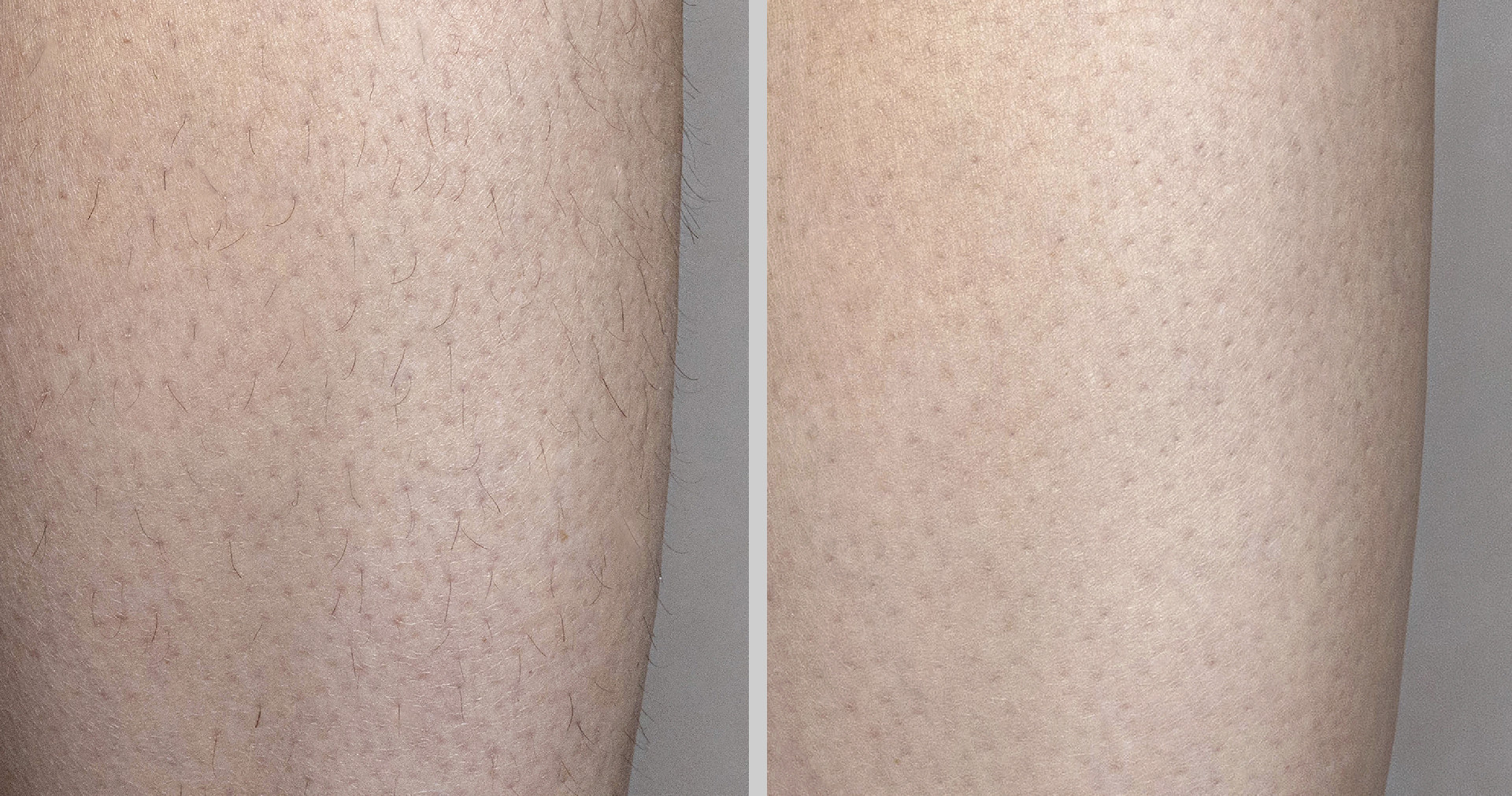
The simplest way to understand SHR vs IPL is this: both use light energy to target the hair follicle, but they deliver that energy differently.
IPL stands for Intense Pulsed Light. It uses broad-spectrum light, which means the light spreads across multiple wavelengths. That makes it versatile, but also less selective than a more targeted system. Because the light is broader, the skin can absorb more surrounding heat during treatment.
SHR, or Super Hair Removal, is designed to deliver low-energy pulses repeatedly and quickly as the handpiece moves across the skin. Instead of relying on a single strong burst, it gradually builds heat in the follicle. This approach is often chosen for a more comfortable treatment experience and better tolerance on areas that are typically more sensitive.
That technical difference affects almost everything a client cares about: how the treatment feels, how suitable it is for different skin tones, and how easy it is to stay consistent with a full course.
Comfort matters more than most people expect
When clients ask about hair removal, they often start by asking what works fastest. After the first session, they usually start asking a different question: what can I actually tolerate for the long term?
This is one of the biggest reasons SHR stands out. Because the energy is delivered in a gentler, continuous motion, many people describe it as a warming sensation rather than the sharp snap that can be associated with older light-based treatments. That difference matters, especially for underarms, Brazilian areas, upper lip, and other delicate zones.
IPL can still be effective, but it is often perceived as more intense. Some clients are perfectly comfortable with it, while others find the sensation more difficult, particularly on denser hair or sensitive skin. Pain tolerance is personal, but comfort should not be treated as a minor detail. If a treatment feels too harsh, people are more likely to delay appointments or stop midway through a package, which can affect results.
A treatment plan only works when you can stick with it confidently.
Skin tone and hair type can change the answer
No honest comparison of SHR vs IPL is complete without talking about skin tone and hair contrast.
Traditional IPL tends to work best when there is a strong contrast between lighter skin and darker hair. That is because the light targets melanin, the pigment in the hair. If the skin also carries more melanin, the treatment becomes more delicate to manage because the device has to distinguish between pigment in the hair and pigment in the skin.
SHR is often favored for a wider range of skin types because of its gradual heating method and lower energy delivery per pulse. That can make it a more comfortable and practical option for clients with warmer or deeper skin tones, though treatment settings still need to be customized carefully.
Hair color matters too. Both SHR and IPL generally perform best on darker hair. Very light blonde, gray, white, or red hair can be more difficult to target because there is less pigment available for the light to absorb. This is why a proper consultation is so important. The best treatment is not the one with the strongest marketing language. It is the one matched responsibly to your skin and hair profile.
SHR vs IPL results: what should you realistically expect?
Both treatments are designed for long-term hair reduction, not necessarily one-time permanent hair removal after a single visit. That distinction helps set expectations properly.
Hair grows in cycles, and light-based treatments are most effective when hair is in the active growth phase. This is why multiple sessions are needed. With either SHR or IPL, you should expect a course of treatments spaced over several weeks, followed by occasional maintenance as needed.
In many cases, SHR is appreciated not because it promises miracles, but because it supports consistency. Clients who are comfortable, well-informed, and guided by experienced therapists are often more likely to complete the recommended schedule. That alone can make the difference between patchy progress and visible, lasting reduction.
IPL can also deliver strong results, especially for the right candidate with the right contrast between skin and hair. But if you are choosing between the two, it helps to think beyond the first few sessions. Ask yourself which option you are most likely to continue properly.
Treatment speed and convenience
For busy professionals, convenience is not a luxury. It is part of whether a beauty routine is sustainable.
SHR treatments are often performed with a gliding motion over the skin, which can make larger areas feel faster and smoother during the session. The treatment flow is efficient, and many clients find the experience less mentally draining because it feels more continuous.
IPL is typically delivered in separate flashes. Depending on the area and the device used, that can make the session feel more stop-and-start. For some clients this is perfectly manageable. For others, especially during lunchtime appointments or after work, the overall experience may feel less relaxed.
The difference may seem small until you are treating multiple areas and trying to maintain a regular schedule around a full calendar.
Safety and aftercare are part of the decision
Any light-based hair removal treatment should be approached professionally. Your skin condition, sun exposure, medications, and even your recent skincare habits can affect how suitable a session is on a given day.
Because IPL uses broader-spectrum light, the margin for careful parameter selection can be narrower for some skin tones and concerns. SHR is often seen as gentler, but gentler does not mean casual. A responsible provider should still assess your skin carefully, adjust the settings to your needs, and explain pre- and post-treatment care clearly.
Aftercare for both usually includes avoiding strong sun exposure, heat-heavy activities for a short period, and harsh active skincare ingredients on treated areas if relevant. The goal is simple: protect the skin while it settles and let the treatment do its work without unnecessary irritation.
So which is better: SHR or IPL?
There is no universal winner in the SHR vs IPL conversation, but there is a clear pattern in what many modern clients prefer.
If your priorities are comfort, suitability for a broader range of skin tones, and a treatment experience that feels easier to maintain consistently, SHR is often the stronger choice. It suits people who want effective hair reduction without feeling anxious before every appointment.
If you are a suitable candidate for IPL and are comfortable with the treatment sensation, IPL may still be an option worth considering. It can work well in the right hands and for the right profile. The key is not to choose based on price alone or assume all light-based hair removal is identical.
For women who value both visible results and a premium, reassuring experience, SHR often aligns more naturally with what they are looking for. It offers a gentler path that still feels professional and results-focused.
What to ask before you book
Before starting any hair removal course, ask how the treatment will be tailored to your skin tone, hair thickness, and target areas. Ask how many sessions are usually recommended, what level of discomfort to expect, and whether maintenance sessions may be needed later on.
It is also wise to ask who performs the treatment and how they assess suitability. Technology matters, but the quality of consultation matters just as much. A well-trained therapist should guide you with honesty, not pressure.
That is the difference between a treatment that feels transactional and one that feels truly personalized.
At Amber Beila, that belief sits at the heart of every beauty journey. The best hair removal plan is not simply the most popular one. It is the one that respects your skin, fits your lifestyle, and helps you feel cared for from the first session onward.
When you are choosing between SHR and IPL, trust the option that gives you room to be consistent, comfortable, and confident in your results.