
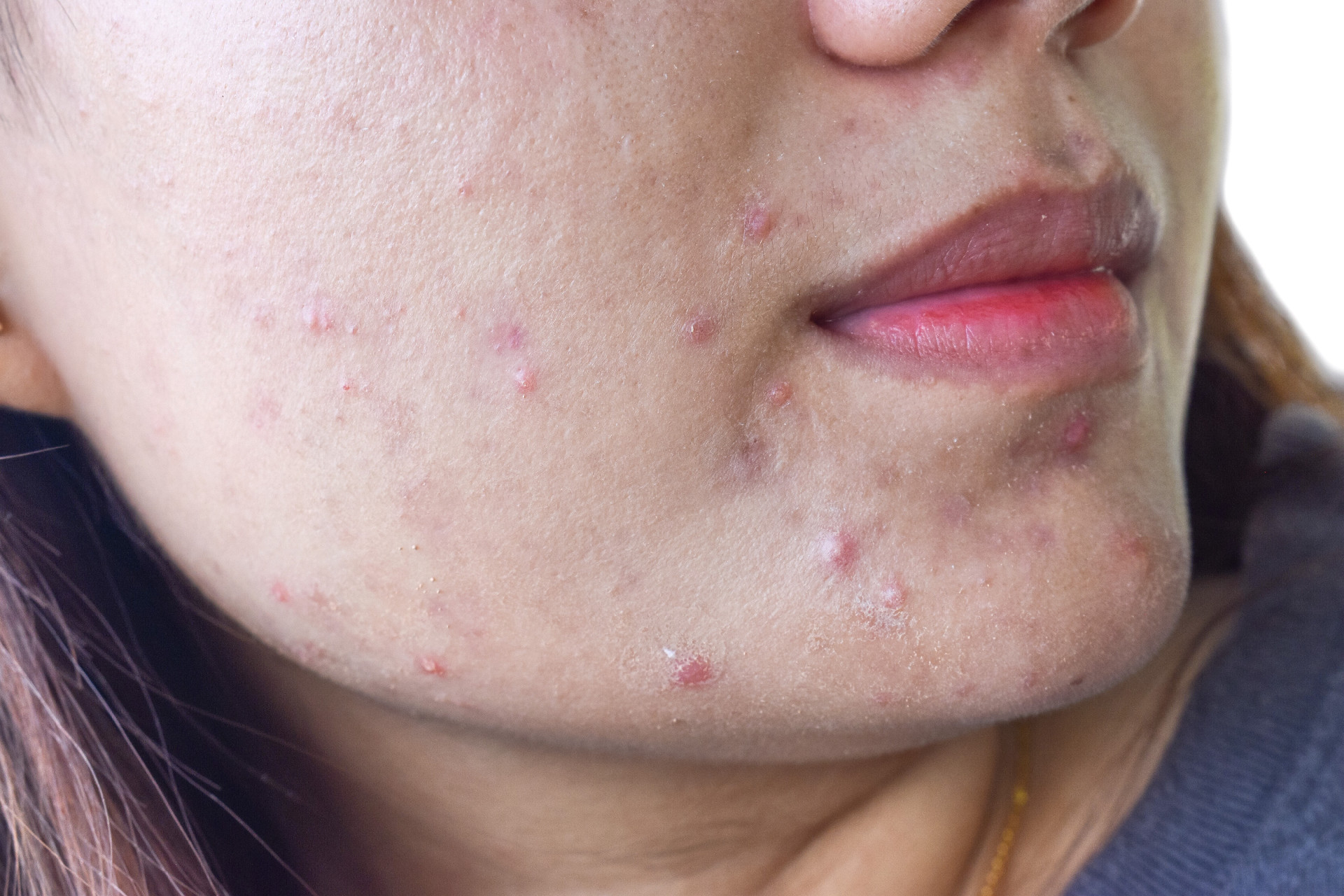
A sudden breakout rarely arrives at a convenient moment. It tends to appear before an important meeting, a dinner out, or right when your skin was finally starting to feel balanced. If you are wondering how to calm acne flareups without making them angrier, the first step is to resist the urge to overcorrect. Inflamed skin does not respond well to panic. Acne flareups often happen when several triggers stack together - excess oil, clogged pores, hormonal shifts, stress, heat, friction, or products that are too rich or too harsh. That is why a breakout can feel confusing even when you have been following a routine consistently. The goal is not to attack your skin from every angle. The goal is to reduce inflammation, support healing, and avoid creating more sensitivity while the skin settles. How to calm acne flareups without making them worse When skin feels congested and reactive, a gentler approach usually delivers better results than an aggressive one. Scrubs, strong acids, frequent masking, and pimple squeezing can all make a flareup linger longer. They may strip the skin barrier, spread bacteria, and leave behind deeper post-acne marks. Start by simplifying your routine for several days. Use a mild cleanser, a lightweight moisturizer, targeted acne treatment only where needed, and sunscreen during the day. If you normally rotate multiple active ingredients, this is the moment to pause and let your skin breathe. A flareup is not always a sign that you need more products. Sometimes it is a sign that your skin needs less. Cold compresses can also help calm visible redness and tenderness. Wrap ice or a chilled compress in a clean cloth and hold it against the inflamed area for short intervals. This will not clear a blocked pore on its own, but it can reduce swelling and make the breakout look less angry. The ingredients that help - and the ones to be careful with Not every acne ingredient works the same way, and not every flareup needs the same response. If your breakouts are mostly red, swollen, and painful, anti-inflammatory support matters just as much as oil control. Salicylic acid is often one of the most useful ingredients during a flareup because it helps clear pore congestion. It can be especially helpful for blackheads, whiteheads, and the small bumps that come with clogged skin. Benzoyl peroxide can be effective for inflamed acne because it targets acne-causing bacteria, but it can also be drying, especially if your skin is already irritated. Niacinamide is a good balancing ingredient for many skin types. It supports the skin barrier, helps regulate excess oil, and can soften redness over time. Azelaic acid is another strong option if your skin is prone to both acne and marks, since it can help with inflammation and uneven tone. If your skin is very reactive, however, even good ingredients may need to be introduced slowly. What tends to backfire during a flareup is layering too many actives at once. For example, combining exfoliating acids, retinoids, spot treatments, and drying masks in the same evening can leave the skin tight, shiny, and more inflamed. Effective acne care is about precision, not intensity. Why your skin barrier matters more than you think Many adult women dealing with acne are also managing dehydration, sensitivity, or early signs of aging. That creates a delicate balance. If you treat every breakout with harsh products, you can end up with skin that is both acne-prone and compromised. A damaged skin barrier often shows up as stinging, flaking, persistent redness, and a feeling that nothing is working anymore. In that state, even acne treatments that normally help may suddenly feel too strong. This is why a lightweight, non-comedogenic moisturizer is not optional during a flareup. Proper hydration helps the skin recover, tolerate active ingredients better, and maintain a calmer appearance overall. Everyday habits that influence acne flareups Skincare matters, but flareups are rarely only about skincare. Daily habits can quietly keep inflammation going, especially if your skin is already prone to congestion. Heat and sweat can aggravate acne, particularly around the jawline, forehead, chest, and back. If you exercise or spend long hours outdoors, cleanse the skin gently soon after sweating. Pillowcases, makeup brushes, and phone screens can also contribute to recurring irritation if they are not cleaned regularly. Then there is friction. Tight collars, masks, helmet straps, and even repeatedly touching the face can worsen certain types of breakouts. If you notice acne forming in specific areas, look at what is rubbing against the skin throughout the day. Stress is another common trigger, especially for adult acne. It can influence oil production and inflammation, which is why skin often flares during demanding work periods or poor sleep cycles. No skincare routine can completely cancel that out, but consistent rest, hydration, and stress management do make a visible difference over time. Food and acne - a careful, realistic view Food is not the sole cause of acne, but for some people, certain patterns do seem to make flareups more frequent. High-sugar diets, frequent dairy intake, or heavily processed foods may play a role in some cases. That said, acne is highly individual. What affects one person may not affect another at all. Instead of cutting everything at once, it is usually more helpful to observe patterns over several weeks. Sudden, restrictive changes tend to be hard to maintain and do not always lead to clearer skin. A steady approach gives you better information and less stress. When a professional treatment makes more sense Some flareups respond well to home care. Others keep returning, go deeper beneath the skin, or leave behind lingering congestion and marks. If that sounds familiar, professional treatment can be the more efficient route. A well-designed acne facial is not just about extraction. It should assess the type of acne you have, the sensitivity level of your skin, and whether dehydration, barrier damage, or hormonal patterns are also involved. For example, skin with clogged pores and heavy oiliness may benefit from deep cleansing and careful exfoliation, while inflamed and sensitized skin may need a more calming, restorative approach first. This is where personalized care becomes important. A treatment that works beautifully for one client may be too stimulating for another. At a premium salon setting such as Amber Beila, the value is in combining advanced techniques with a thoughtful consultation, so the skin is treated according to what it actually needs in that moment. How to calm acne flareups before a big event If you have a wedding, presentation, or special occasion coming up, the priority is to reduce inflammation and avoid triggering peeling, dryness, or purging. This is not the time to experiment with a new high-strength active or an intense treatment unless it has been professionally recommended for your skin and timeline. Focus on a calm, dependable routine. Keep cleansing gentle, use targeted treatment only on active areas, moisturize consistently, and protect the skin from sun exposure. If the breakout is painful or unusually swollen, a professional assessment can help you choose the safest way to bring it down quickly without compromising your skin's texture or makeup finish. For back or chest acne, the same principle applies. Avoid harsh body scrubs and heavily fragranced products, especially right before an event. These areas often need targeted care that reduces congestion while keeping the skin smooth and comfortable. Signs your acne flareup needs more than home care If breakouts are becoming cystic, spreading, scarring, or not responding after several weeks of careful treatment, it is time to stop guessing. The same is true if your skin burns with most products, or if your acne seems tied to hormonal changes in a way that keeps repeating monthly. There is no advantage in waiting until the skin feels completely overwhelmed. Early professional support can help prevent a short-term flareup from becoming a longer cycle of inflammation, pigmentation, and recurring congestion. Often, the fastest path to clearer skin is not doing more on your own. It is doing the right things, in the right order, with the right level of support. Clearer skin rarely comes from punishing it into submission. When acne flares, your skin needs calm, consistency, and a plan that respects both results and recovery. Treat it with patience, and it will usually tell you what it needs next.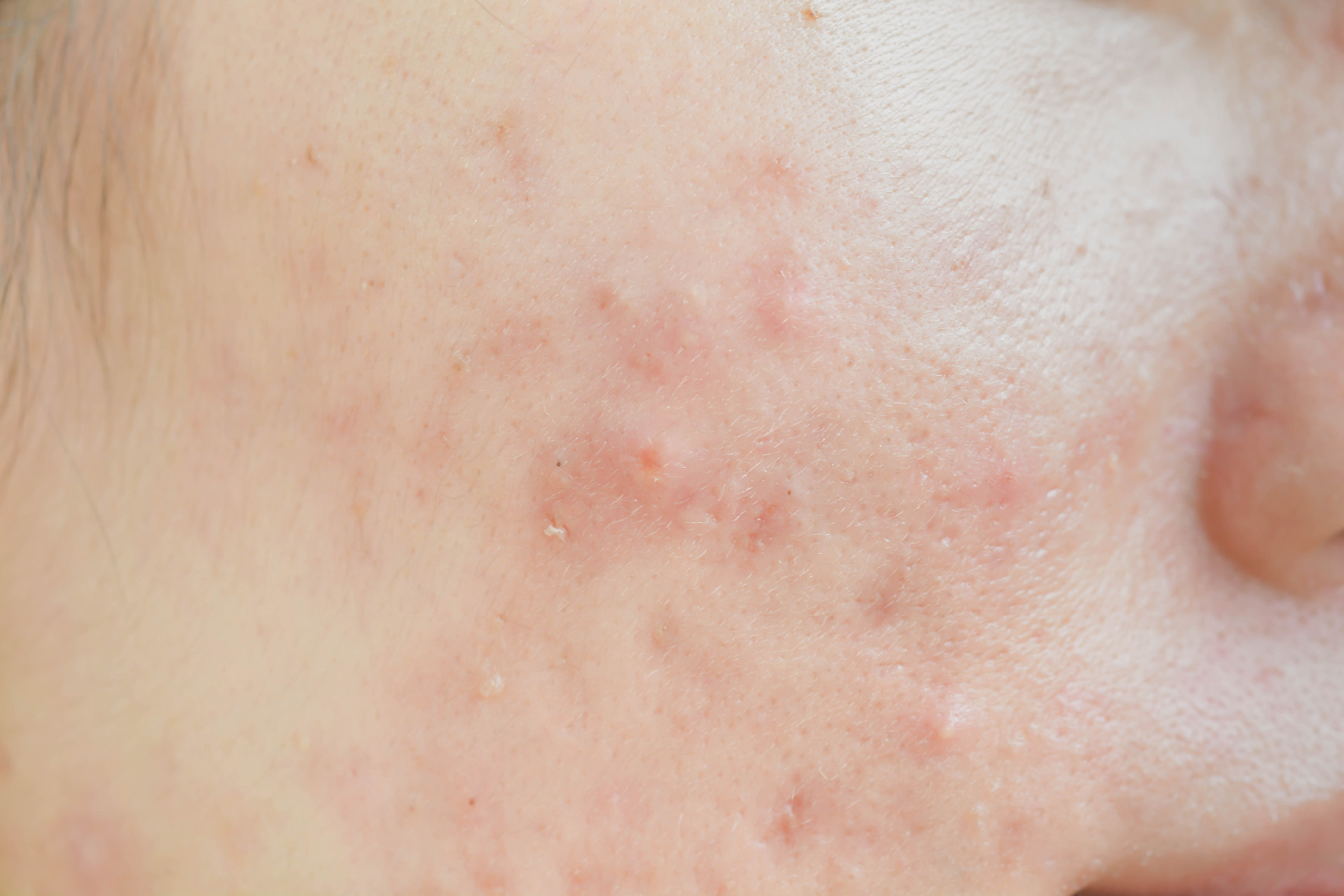
How to Calm Acne Flareups Fast
TAKE YOUR BEAUTY JOURNEY TO THE NEXT LEVEL. LEARN MORE ABOUT OUR CURATED BEAUTY SERVICES NOW.