
There are several types of facial treatments, each designed to address different skin concerns. Common options include deep cleansing, hydrating, exfoliating, acne-focused, sensitive skin, anti-ageing and brightening facials. The best facial for you depends on your skin type, current skin condition and the results you want to achieve. For example, someone with clogged pores may benefit from a deep cleansing facial, while dehydrated skin may respond better to a hydration-focused treatment. Understanding the differences between facial treatments can help you make an informed decision and avoid choosing a procedure that may not suit your skin. In this guide, we explore seven common types of facial treatments, their potential benefits and how to choose a suitable facial in Singapore. The seven common types of facial treatments are: Deep cleansing facials – for clogged pores and excess oil Hydrating facials – for dry or dehydrated skin Exfoliating facials – for dullness and rough skin texture Acne facials – for selected acne-prone skin concerns Sensitive skin facials – for gentle, barrier-focused care Anti-ageing facials – for fine lines and mature-looking skin Brightening facials – for uneven-looking skin tone Although these treatments have different purposes, they may share certain steps, including cleansing, facial massage, masks and moisturising. The main difference lies in the products, techniques and treatment intensity used. The right choice depends on your skin's needs rather than the treatment name alone. A deep cleansing facial focuses on removing accumulated impurities, excess sebum and dead surface skin cells. It is particularly relevant for people experiencing blackheads, whiteheads and congested pores. Unlike routine daily cleansing, a professional deep cleansing facial may involve additional exfoliation and carefully performed extraction. Potential benefits include: Helping remove excess oil and surface impurities Clearing some blackheads and whiteheads Improving the appearance of clogged pores Leaving skin feeling cleaner and smoother Supporting a more consistent cleansing routine However, deep cleansing does not permanently shrink pores or prevent all future breakouts. The treatment must also be appropriate for your skin's sensitivity. Excessive exfoliation or aggressive extraction can cause irritation. It may be suitable for individuals with: Oily or combination skin Frequent clogged pores Blackheads and whiteheads Visible surface congestion Uneven skin texture associated with buildup At Amber Beila, our Deep Pore Cleansing Facial includes cleansing, exfoliation, appropriate extraction and other facial care steps. The treatment is designed to address congestion while keeping individual skin needs in mind. Hydrating facials focus on replenishing moisture and improving skin comfort. Dry skin and dehydrated skin are not exactly the same. Dry skin generally produces less natural oil, whereas dehydrated skin lacks water. Even oily skin can experience dehydration. Common signs of dehydration include tightness, a rough surface and fine lines that appear more noticeable when skin lacks moisture. Hydration-focused facials may incorporate moisturising masks, hydrating serums and ingredients such as hyaluronic acid. Helps replenish surface moisture Leaves skin feeling softer and more comfortable Temporarily improves the appearance of dehydration lines Supports smoother-looking skin May relieve tightness associated with dryness For people living in Singapore, regular exposure to air-conditioned environments can contribute to the feeling of dry or dehydrated skin. Hydrating treatments can complement a daily routine that includes gentle cleansing, moisturising and sun protection. A hydration-focused facial may be appropriate if your skin: Frequently feels tight Looks dull due to dehydration Feels rough or uncomfortable Experiences temporary dryness Needs additional moisture support At Amber Beila, the Aqua Peel Facial combines cleansing with hydration-focused steps to leave skin feeling refreshed. Treatment suitability should be assessed according to your current skin condition. Exfoliating facials focus on removing accumulated dead skin cells from the skin's surface. Over time, surface buildup can contribute to rough texture and a dull-looking complexion. Exfoliation helps improve the appearance of the outermost skin layer, making skin feel smoother. Different exfoliating treatments may use physical techniques, enzymes or chemical exfoliating ingredients. Removes accumulated surface skin cells Improves the appearance of rough texture Helps skin feel smoother Reduces some surface buildup May improve the appearance of dullness The strength and type of exfoliation should be selected according to your skin's tolerance. Stronger treatments are not necessarily more effective for everyone. Over-exfoliation can cause dryness, stinging, redness and damage to the skin barrier. It may be suitable for people concerned about: Rough skin texture Surface dead skin buildup Dull-looking skin Uneven skin appearance Mild congestion Individuals with highly sensitive skin, active irritation or certain skin conditions should seek professional advice before undergoing exfoliation. Acne facials are designed to provide cosmetic care for certain concerns associated with acne-prone skin. Depending on the individual, a treatment may include cleansing, gentle exfoliation, appropriate extraction and skincare products selected for oily or blemish-prone skin. However, acne can develop for different reasons, including hormonal changes, inflammation and clogged hair follicles. A facial cannot address every underlying cause. A suitable treatment may: Help remove excess oil and surface impurities Address some blackheads and whiteheads Improve the appearance of congested skin Provide skincare guidance for acne-prone skin Complement an appropriate acne management routine It is important to understand that acne facials are not a replacement for medical acne treatment. Painful, deep, widespread or scarring acne should be assessed by a dermatologist. Selected treatments may be suitable for people with: Mild surface congestion Blackheads and whiteheads Oily, acne-prone skin Recurring clogged pores At Amber Beila, our Acne Facial Treatment includes cleansing and targeted facial care for selected acne-prone skin concerns. Our team can help assess whether a cosmetic facial is suitable or whether further medical advice would be more appropriate. Sensitive skin may react more easily to certain products, ingredients and environmental conditions. Common experiences include tightness, stinging, temporary redness or discomfort. For sensitive skin, the goal is not necessarily deeper cleansing or stronger exfoliation. Instead, a suitable facial should prioritise gentle techniques and products that support skin comfort. Depending on the treatment, potential benefits include: Gentle removal of surface impurities Moisture replenishment Improved skin comfort Reduced exposure to unnecessarily harsh techniques Guidance on choosing suitable skincare products A gentle facial may be worth discussing if you experience: Skin that reacts easily to products Temporary tightness or discomfort Dryness associated with sensitivity Difficulty tolerating strong exfoliating ingredients However, persistent redness, rashes, eczema or rosacea symptoms should be assessed by a qualified medical professional. Active inflammation or a damaged skin barrier may require postponing cosmetic treatments until the condition improves. Always inform your facial therapist about known allergies, sensitivities and existing skin conditions before treatment. As skin ages, changes in collagen, elasticity and moisture retention can influence its appearance. Fine lines may become more noticeable, while skin can feel drier or less supple. Anti-ageing facials generally focus on improving hydration, skin smoothness and the visible appearance of ageing-related concerns. Depending on the treatment, they may incorporate facial massage, moisturising ingredients and other non-invasive cosmetic techniques. Potential benefits include: Improving skin hydration Temporarily softening the appearance of dehydration-related fine lines Leaving skin feeling smoother and more supple Supporting a well-maintained skincare routine Improving the overall appearance of tired-looking skin Results vary according to the techniques used. Non-invasive facials should not be expected to permanently remove wrinkles or produce surgical lifting results. These treatments may appeal to people concerned about: Fine lines Dehydration Reduced skin suppleness Mature-looking skin Uneven surface texture At Amber Beila, treatments such as our Growth Factor Therapy, PDRN Hydro Lifting Facial and lifting-focused facial options cater to different cosmetic concerns. The most suitable option depends on your skin condition and treatment expectations. Brightening facials focus on improving the appearance of dullness and uneven skin tone. Several factors can contribute to an uneven-looking complexion, including sun exposure, surface buildup, dehydration and post-inflammatory marks. A brightening facial may incorporate gentle exfoliation, hydration and skincare ingredients selected to improve the appearance of the skin's surface. Improves the appearance of dull-looking skin Supports a smoother-looking complexion Helps remove surface buildup Improves temporary skin hydration May improve the appearance of uneven tone, depending on the ingredients used It may be suitable for individuals concerned about: Dull-looking skin Uneven skin tone Mild surface roughness Post-breakout marks Tired-looking skin It is important to note that pigmentation concerns differ significantly. Melasma, persistent dark spots and other pigmentation conditions may require specific treatments and medical assessment. Daily sunscreen remains particularly important when managing sun-related skin concerns. The best facial treatment is one that addresses your current skin concerns without causing unnecessary irritation. Start by identifying your main concern. If you have oily skin and visible blackheads, a deep cleansing facial may be worth considering. If your skin feels tight or dehydrated, a hydrating facial may be more appropriate. For rough texture, gentle exfoliation may help, provided your skin tolerates it. For sensitive skin, treatments focusing on moisture and barrier comfort may be preferable. It is also possible to experience more than one concern simultaneously. For example, oily skin can be dehydrated, while acne-prone skin can also be sensitive. That is why personalised treatment selection matters. Before booking a treatment, consider: What is my main skin concern? Is my skin currently irritated or sensitive? Does the facial involve exfoliation or extraction? What results should I realistically expect? Will the treatment require downtime? How should I care for my skin afterwards? How frequently would the treatment be appropriate? Understanding these factors can help you select a treatment that suits both your skin and lifestyle. There is no universal facial schedule. Some people choose professional facials approximately every four to six weeks, while others benefit from less frequent sessions. The appropriate interval depends on: Your skin type Current skin concerns Treatment intensity Skin sensitivity Your home skincare routine Professional recommendations More frequent treatments do not automatically provide better results. Facials involving stronger exfoliation may require longer intervals, particularly for sensitive skin. If your skin remains comfortable and well maintained with a consistent home routine, regular monthly facials may not be essential. Read our guide on how often you should get a facial for visible results. A basic facial generally focuses on cleansing, moisturising and maintaining skin comfort. A specialised facial is selected to address a more specific cosmetic concern, such as clogged pores, dehydration, dullness or the appearance of fine lines. For example, a deep pore cleansing facial may place greater emphasis on extraction, while a hydration-focused facial may prioritise moisturising ingredients and techniques. Neither option is automatically better. The most appropriate treatment depends on what your skin needs and whether the techniques are suitable for your condition. A gentle cleansing and hydrating facial is often a reasonable starting point for people who are new to professional facial treatments. However, the ideal choice depends on skin sensitivity and existing concerns. A consultation can help identify suitable options. A deep cleansing facial may help address some clogged pores, blackheads and whiteheads through appropriate cleansing, exfoliation and extraction. Results vary, and professional care should be tailored to skin sensitivity. Hydrating facials focus on replenishing moisture and improving skin comfort. Treatments using suitable moisturising ingredients may help skin feel softer and reduce temporary tightness associated with dryness. An acne-focused facial may be appropriate for selected concerns involving surface congestion and excess oil. Persistent, inflamed or painful acne should be assessed by a dermatologist rather than relying on cosmetic facials alone. Some anti-ageing facials can temporarily improve hydration and the appearance of fine lines caused by dehydration. Results depend on the treatment. Cosmetic facials cannot be assumed to permanently remove wrinkles or reverse skin ageing. Some people schedule facials every four to six weeks, but there is no fixed requirement. The ideal frequency depends on individual skin concerns and treatment intensity. Sensitive skin may require longer intervals. Some facial techniques can be combined when appropriate, but not every combination is suitable. Excessive exfoliation or multiple intensive steps may irritate the skin. A professional assessment helps determine whether a combined treatment is appropriate. No. Professional facials complement daily skincare rather than replace it. Gentle cleansing, moisturising and sun protection remain essential for maintaining skin health between appointments. With different facial treatments available, selecting the right one can sometimes feel overwhelming. The key is to understand your skin's current needs and choose a treatment that addresses them appropriately. At Amber Beila, we offer a variety of facial treatments designed around different cosmetic concerns, including congested pores, dehydration, uneven skin texture and signs of ageing. Our team provides personalised recommendations and honest advice to help you explore suitable treatment options. Visit Amber Beila at: The Heeren, Orchard Road Delfi Orchard One Raffles Place Beauty World Whether you're considering your first facial or exploring a different treatment, our team can help you find an option that suits your skin. Not sure which facial is right for you? Book an Appointment with Amber Beila Disclaimer: Facial treatments provide cosmetic skincare benefits, and results vary by individual. They are not a substitute for medical diagnosis or treatment of skin conditions.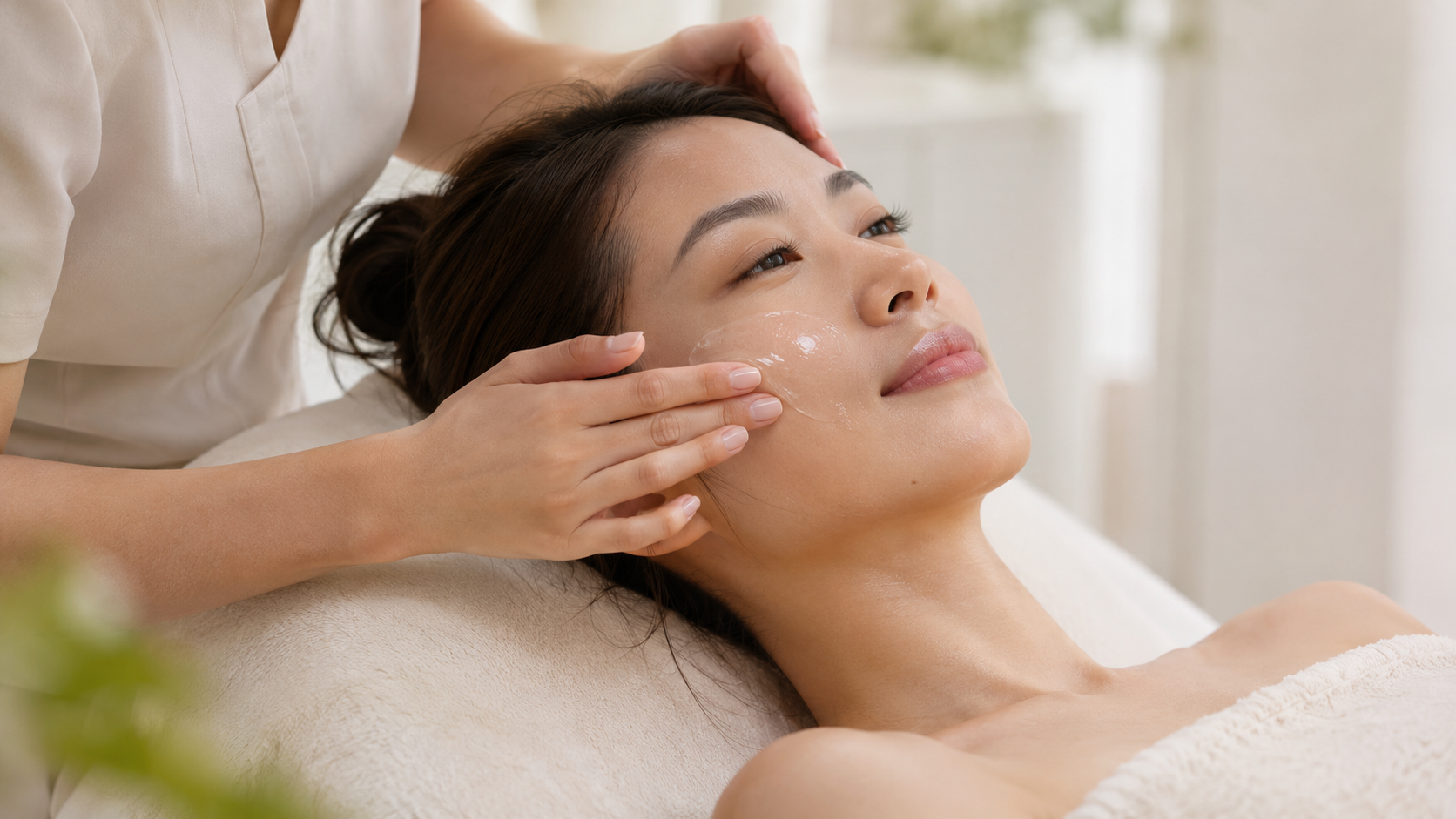
What Are the Different Types of Facial Treatments?
Types of Facial Treatments at a Glance
1. Deep Cleansing Facial: For Clogged Pores and Excess Oil
What are the benefits of a deep cleansing facial?
Who should consider a deep cleansing facial?
2. Hydrating Facial: For Dry and Dehydrated Skin
What are the benefits of a hydrating facial?
Who should consider a hydrating facial?
3. Exfoliating Facial: For Dullness and Rough Skin Texture
What are the benefits of an exfoliating facial?
Who should consider an exfoliating facial?
4. Acne Facial: For Acne-Prone Skin
What are the benefits of an acne facial?
Who should consider an acne facial?
5. Sensitive Skin Facial: For Gentle Skin Barrier Care
What are the benefits of a sensitive skin facial?
Who should consider a sensitive skin facial?
6. Anti-Ageing Facial: For Fine Lines and Mature-Looking Skin
What are the benefits of anti-ageing facials?
Who should consider an anti-ageing facial?
7. Brightening Facial: For Dull and Uneven-Looking Skin
What are the benefits of a brightening facial?
Who should consider a brightening facial?
How Do You Choose the Right Facial for Your Skin Type?
Questions to ask before choosing a facial
How Often Should You Get a Facial Treatment?
What Is the Difference Between a Basic Facial and a Specialised Facial?
Frequently Asked Questions About Facial Treatments
1. What type of facial is best for beginners?
2. Which facial is best for clogged pores?
3. What facial treatment is best for dry skin?
4. Which facial is suitable for acne-prone skin?
5. Are anti-ageing facials effective?
6. How often should I get a professional facial?
7. Can I combine different facial treatments?
8. Do facials replace daily skincare?
Discover Personalised Facial Treatments at Amber Beila Singapore
Exploring Different Types of Facial Treatments
TAKE YOUR BEAUTY JOURNEY TO THE NEXT LEVEL. LEARN MORE ABOUT OUR CURATED BEAUTY SERVICES NOW.