
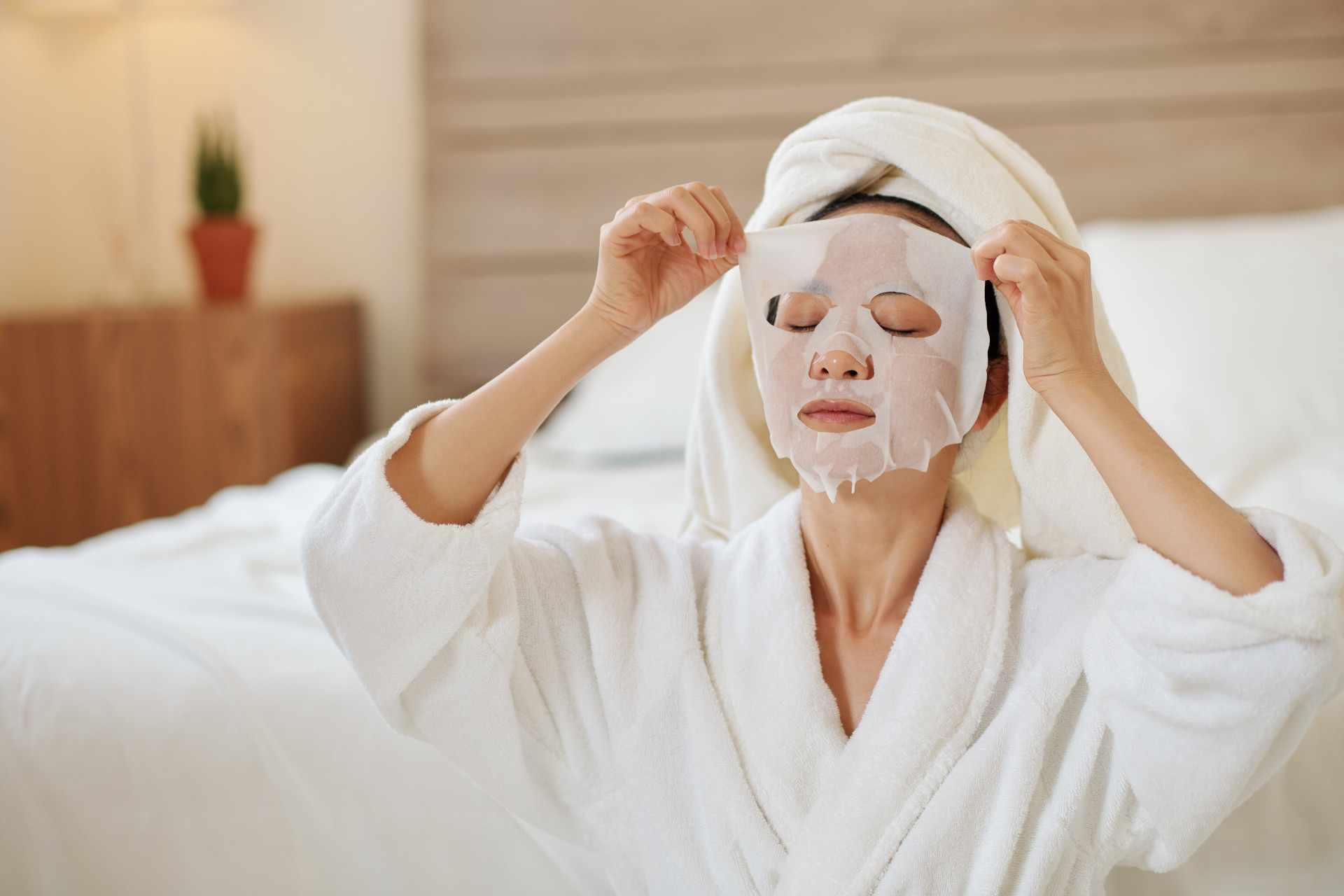
A brightening treatment should do more than make skin look temporarily fresh under salon lighting. If your complexion feels dull, uneven, or marked by post-acne spots and sun pigmentation, the best professional skin brightening treatments are the ones chosen for your skin condition, sensitivity level, and long-term goals - not just what happens to be popular.
That distinction matters. Brightening is often confused with harsh peeling or aggressive whitening, when in reality, effective professional care is about restoring clarity, improving hydration, refining texture, and gradually reducing the look of discoloration so skin appears healthier, smoother, and more radiant.
What the best professional skin brightening treatments actually do
Professional brightening treatments work on several layers of the problem at once. Some target excess surface buildup that leaves skin looking tired. Others focus on dehydration, which can make the complexion seem flat and rough even when there is no major pigmentation. More advanced options help address uneven tone caused by sun exposure, acne marks, hormonal changes, and early signs of aging.
This is why one client may benefit from a gentle hydrating facial with brightening actives, while another sees better results from photo-based rejuvenation or a deeper resurfacing treatment plan. The goal is not to bleach the skin or create an unnatural finish. It is to reveal a clearer, more even, more luminous version of your natural complexion.
Best professional skin brightening treatments for different concerns
The most effective treatment depends on what is making your skin look dull in the first place. A proper consultation should always come before treatment selection, because pigmentation, congestion, sensitivity, and dehydration often overlap.
Brightening facials for dull, tired, dehydrated skin
For many women, the first step is not an intensive procedure but a professionally performed brightening facial. This type of treatment typically combines deep cleansing, exfoliation, hydration, and targeted brightening ingredients to improve clarity without overwhelming the skin.
A good brightening facial can be especially helpful if your skin looks lackluster from stress, long workdays, travel, indoor air-conditioning, or inconsistent skincare habits. When dead skin cells are removed gently and moisture is restored properly, the complexion often looks more even almost immediately. The improvement is usually soft and natural rather than dramatic, which makes this option ideal for maintenance and first-time salon clients.
That said, facials are rarely enough for stubborn pigmentation on their own. They are often best used as part of a consistent skin health plan rather than a one-time fix.
Deep pore cleansing with brightening benefits
If dullness comes with clogged pores, rough texture, and frequent breakouts, deep pore cleansing can support brightening more than people expect. Congested skin does not reflect light well, and lingering impurities can contribute to inflammation and post-acne marks.
A professionally managed deep cleansing treatment helps clear buildup while reducing the chance of over-scrubbing at home. When combined with calming and hydrating steps, it can improve skin clarity and create a cleaner foundation for future brightening treatments. This route is often a smart choice for acne-prone skin that needs careful balancing before stronger pigment-focused procedures are considered.
Chemical peels for uneven tone and post-acne marks
Chemical peels are among the most established professional options for improving uneven skin tone. By encouraging controlled exfoliation and skin renewal, they can help soften the appearance of post-inflammatory pigmentation, mild sun damage, and surface roughness.
Not every peel is intense. Some are very gentle and designed for gradual brightening with minimal downtime, while others penetrate more deeply and require a more cautious recovery period. The right peel depends on your skin sensitivity, your history with actives, and how much visible peeling or redness you are comfortable with.
For clients with busy schedules, a series of lighter peels is often more practical than one aggressive session. It tends to be easier on the skin and easier to maintain. The trade-off is that results appear progressively rather than all at once.
Photo rejuvenation for pigmentation and overall radiance
Photo rejuvenation is often chosen when brightening goals are tied to sun spots, uneven tone, redness, and early signs of aging. Light-based treatments can help improve the appearance of pigmentation while also supporting a smoother, more refined look.
This option can be particularly appealing for women who want visible skin improvement without committing to highly invasive procedures. In the right hands, it offers a more advanced route to brightening than a standard facial, especially when discoloration has been building over time.
Still, not every skin type or condition is suited to every device setting or protocol. Skin with active irritation, compromised barriers, or certain pigment patterns may need preparation first. This is where experienced therapists and proper assessment make a meaningful difference.
Hydration-focused treatments that restore glow
Sometimes the issue is not heavy pigmentation but skin that simply looks flat, lined, and fatigued. In these cases, hydration-focused facials and infusion treatments can do a great deal for brightness. Well-hydrated skin appears smoother, bouncier, and more reflective, which naturally creates a fresher tone.
These treatments are often underestimated because they feel gentle, but they can be extremely effective for clients whose dullness is linked to dehydration, overuse of exfoliants, lack of sleep, or environmental stress. They also pair well with stronger brightening plans because they help keep the skin barrier comfortable and resilient.
How to choose the right brightening treatment
The best decision starts with identifying the cause of uneven tone. If you have post-acne marks, your plan may need calming, oil control, and gradual resurfacing. If you are seeing sun damage and scattered pigmentation, light-based rejuvenation or targeted brightening protocols may be more suitable. If your skin is sensitive and easily reactive, beginning with barrier repair and gentle brightening is usually wiser than jumping into aggressive exfoliation.
It also helps to think about downtime honestly. Some women want a treatment they can fit into a lunch break and return to meetings confidently. Others are comfortable with a few days of visible recovery if that means a stronger reset. Neither approach is better. It depends on your calendar, your comfort level, and your skin's tolerance.
Budget should be considered in the same practical way. A lower-cost treatment that needs frequent repetition may or may not be the best value compared with a more advanced option done less often. What matters is whether the treatment plan is transparent, personalized, and realistic about expected results.
What results should you expect?
Professional brightening works best when expectations are grounded. Skin can look fresher after one session, especially if dehydration and surface buildup are major factors. But deeper pigmentation usually improves gradually over multiple treatments, supported by the right home care and proper sun protection.
This is one reason personalized care matters so much in a salon setting. A thoughtful therapist will explain whether your concern is likely to respond quickly or whether it needs a staged plan. That guidance helps prevent disappointment and protects the skin from unnecessary overtreatment.
At Amber Beila, this kind of personalized approach is what makes treatment feel both luxurious and reassuring. The experience should never be about being pushed into the strongest option. It should feel tailored, comfortable, and clearly aligned with your skin goals.
Why professional treatment often works better than home brightening alone
Home skincare absolutely has a place, but there are limits to what over-the-counter products can do when pigmentation is persistent or the skin is congested, sensitized, or uneven in texture. Professional treatments bring together stronger technologies, more precise application, and expert observation of how your skin responds over time.
Just as important, they reduce the guesswork. Many clients arrive after trying too many acids, brightening serums, and trend-driven routines at once, only to end up with irritation and even more visible unevenness. Professional care creates structure. It helps you choose fewer, better-matched solutions with a clearer path forward.
That does not mean every skin concern requires advanced devices. Sometimes the best result comes from a simple, consistent treatment series performed well, with enough recovery time between sessions and a focus on skin health instead of quick fixes.
A brighter complexion should still look like your skin
The most beautiful brightening results are not chalky, over-processed, or artificial. They look rested. Clearer. Smoother. More even. Your skin still looks like your skin - just healthier and more luminous.
If you are considering professional brightening, choose a provider that takes time to assess your skin carefully, explains the trade-offs honestly, and builds a treatment plan around your comfort as well as your goals. When brightening is done with skill and care, the result is not just more radiance. It is greater confidence each time you catch your reflection.